Hey everyone, let’s cut to the chase — I’m a foam tape supplier, and I get a ton of questions this time of year: “Can I actually use foam tape to fix my wobbly bookshelf, loose cabinet handles, or even that weird gaping drawer front?” Spoiler: it’s not just a gimmick. But before you tear a roll off your shelf and stick your furniture together like a middle school science project, there’s a lot I wish people knew before they reach for that tape. Let’s break this down, no stuffy jargon, just real talk from someone who’s been in the foam tape game for way longer than I care to admit. Foam Tape
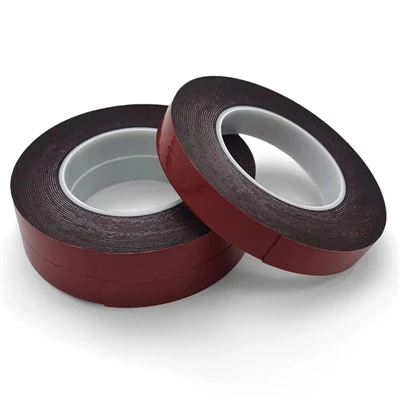
First, let’s stop lumping all foam tape into one box. If you’ve ever grabbed that super cheap, crumbly pink stuff from the dollar store that falls off a week later, yeah, that’s not the stuff we’re talking about here. The foam tape that works for furniture is specific — it’s usually closed-cell, meaning those little air bubbles are sealed tight, not open like a sponge. That’s a huge difference. Open-cell foams compress way too easily, soak up moisture if your place is drafty, and basically turn into a squishy mess when under any weight. Closed-cell? That’s the workhorse. It holds its shape, resists humidity, and doesn’t crumble even when you’re moving a furniture piece around a few times. I see so many people ruin a DIY project by grabbing the wrong tape, and it’s always the same mistake: skimping on quality to save a buck.
Now, let’s get into the actual uses people call me about most. The top one? Securing loose furniture components that don’t need a super heavy-duty hold — think drawer fronts that pop off when you yank a heavy utensil tray, cabinet hinges that have a tiny gap so the door won’t close right, or even small decorative elements like crown molding on a bookshelf. Wait, hold up — don’t go replacing your metal cabinet hinges with foam tape for a full-size fridge cabinet, okay? That’s not what this is for. But for those lightweight, finicky parts that don’t take a ton of force? Foam tape is perfect. I recently had a guy reach out last month who was fixing his vintage nightstand — the drawer sides were warped from a leaky water bottle, and the old glue had turned to gunk. He used ¼-inch thick closed-cell foam tape to shim it, and it’s holding better than the old hardware did. That’s the stuff right there.
Another big one: anti-wobble fixes. I can’t tell you how many times I’ve helped someone who’s got a wobbly dining table or a couch that rocks every time someone sits down. Traditional furniture glides or shims work, but foam tape is a way easier, cleaner fix, especially if you’re renting and don’t want to hammer nails into the floor. You just cut a few small squares of high-density foam tape, stick them to the bottom of the legs where the wobble is, and boom — instant level. The foam absorbs the small, constant shifts of weight, so you don’t get that annoying rattle or the table sliding across the floor when you pull a chair out. I tested this myself on my own dining table last year — it was a cheap Ikea one that wobbled so bad glasses would slide off during dinner. I put two strips of ½-inch thick closed-cell tape on two opposite legs, and now it’s solid. No more shoving books under the legs anymore, either.
But here’s where most people mess up: overestimating what foam tape can handle. It’s not a substitute for screws, nails, or heavy-duty construction adhesive for structural parts. If your bookshelf is falling off the wall, foam tape won’t save it. If you’re rebuilding a broken bed frame that supports 300 pounds, this isn’t the answer. The sweet spot for foam tape is parts that are subject to static, light-to-moderate force, or minor adjustments. For example, securing a tabletop to its base? If it’s a small coffee table that only holds mugs and a laptop, sure — but a full dining table with people leaning on it? Go for the screws. I always tell customers: foam tape is the sidekick, not the main hero. It fills gaps, holds lightweight parts, and absorbs small vibrations — which is exactly what makes it so great for furniture, when used right.
Let’s talk about factors that make foam tape work for furniture, because it’s not just the tape itself. Adhesive is everything here. If the adhesive is cheap, it’ll peel off when the temperature changes (hello, winter heating making your walls dry and sticky for tape, or summer humidity making it soft). We use a pressure-sensitive acrylic adhesive on most of our furniture-grade foam tape, which sticks to almost everything — wood, metal, plastic, even painted drywall, without leaving a residue. Wait, residue is a big one. I had a customer last week who used a cheap tape on his apartment’s cabinet, and when he tried to take it off, it pulled the paint right off. That’s the last thing anyone wants, especially if you’re renting. Our acrylic adhesive is formulated to remove cleanly, no sticky mess, as long as you let it cure properly — we’ll get to that in a second.
Thickness is another thing to get right. If you’re shimming a tiny gap between a drawer and its frame, 1/8-inch thick is too much. If you’re fixing a wobbly leg that’s uneven by ¼ inch, 1/8-inch won’t be thick enough. I always tell people to measure the gap first, then pick a tape that’s just a hair thicker than that. Too thin, and you won’t fill the gap; too thick, and the tape will compress too much when weight is applied, and it’ll lose its hold. For most furniture fixes, ¼ to ½ inch is the sweet spot, but it totally depends on the job.
Now, let’s get into the do’s and don’ts, because I’ve seen so many DIY fails here. First, prep the surface. This is non-negotiable. If you stick foam tape to a dirty, dusty, or oily surface, it’s gonna fall off. I don’t care if the label says it sticks to anything — wipe the area with a little rubbing alcohol, let it dry completely, before peeling off the backing. I had a guy once who cleaned his cabinet with just a paper towel that had crumbs on it, and his tape fell off two days later. Duh, right? But people skip that step all the time.
Second, don’t rush the curing time. Our foam tape needs about 24 to 48 hours to reach its full bond strength. If you stick a drawer front on and yank it immediately, it’s not gonna hold. I know, waiting sucks when you just want your furniture fixed, but that’s how it works. I usually tell people to set it and leave it alone for at least a day.
Third, don’t use foam tape for outdoor furniture. Wait, unless it’s specifically outdoor-rated. Regular foam tape breaks down in UV light and rain, so if you’re fixing a patio chair, you need a tape that’s made for outdoor use — it’s a little more expensive, but worth it. Outdoor-grade closed-cell foam and UV-resistant adhesive will hold up against sun and moisture, but don’t grab the indoor stuff and take it outside. That’s a quick way to waste your money.
I’ve also got a few pro tips I’ve picked up over the years. If you’re securing something that’s under a little more weight, press the foam tape on firmly with a roller (even a credit card works) to squeeze out any air bubbles between the tape and the surface. Air bubbles are the enemy here — they create weak spots where the tape can peel off. And if you’re working on a curved surface, look for a closed-cell foam tape that’s a little more flexible; it’ll conform way better than a rigid one. I did a job last month on a curved cabinet door, and a flexible foam tape made all the difference — no gaps, no peeling at the edges.
Wait, let’s address a common myth: foam tape is just for temporary fixes. Nah. I’ve had customers use our furniture-grade foam tape on permanent installs, like securing a built-in bookshelf to a wall (along with the screws, just to be safe) and it’s still going strong two years later. It’s not temporary if you use the right tape and prep right. That pink dollar store stuff? Yeah, that’s temporary. But high-quality closed-cell foam tape? That’s long-lasting.
Now, let’s get real about when foam tape is NOT the answer. If your furniture has a structural break — like a broken table leg or a split cabinet frame — foam tape won’t fix that. You need wood glue and clamps, or new hardware there. If the piece is big and heavy, like a full-size armoire, foam tape alone won’t hold it up. But if you’re fixing the trim on that armoire, or the gap between its doors, foam tape is perfect. It’s all about matching the product to the job.
I get it, a lot of people are skeptical of using tape for furniture. I used to be too, back when I first started in this business and saw every bad DIY job with cheap foam tape. But the good stuff? It’s a game-changer for small, annoying furniture fixes that you don’t want to mess with screws or glue for. It’s fast, it’s clean, and if you get the right type, it works way better than you’d expect.
At the end of the day, foam tape isn’t going to replace every piece of furniture hardware out there. But it is an incredibly useful tool for anyone who’s tired of wobbly tables, loose drawer fronts, or tiny gaps that make their furniture look beat up. The key is to not cut corners on quality, prep your surfaces right, and match the tape thickness to your gap.
If you’ve got a furniture fix in mind and want to make sure you’re grabbing the right foam tape, hit me up to chat. I can walk you through thickness, adhesive type, and everything else you need to get the job done right. No sales pitches, just real advice from someone who’s dealt with way too many tape fails and wins with furniture projects. Don’t hesitate to reach out and we can work out the best solution for your space.
Self Adhesive Aluminium Tape REFERENCES
- ASTM International. (2021). Standard Specification for Closed-Cell Foam Tapes for General Adhesive Applications. ASTM D3515-21.
- Furniture Industry Research Association (FIRA). (2022). Adhesive Solutions for Residential Furniture Repair and Modification. FIRA Technical Note 127.
- adhesiveandsealant.org. (2023). Pressure-Sensitive Adhesives for Interior and Exterior Furniture Applications. National Association of Manufacturers of Adhesives and Sealants.
- Wood Database. (2021). Surface Preparation for Adhesives on Wood and Wood-Based Furniture Materials. WoodWorks Journal, Vol. 45, No. 2, pp. 32–37.
- International Residential Code (IRC). (2022). Appendix E: Fasteners and Adhesives for Residential Furniture and Built-In Components. International Code Council.
Deqing Hongxin New Material Technology Co., Ltd.
As one of the most professional foam tape manufacturers and suppliers in China, we also support customized service. Please feel free to wholesale high quality foam tape in stock here from our factory. Welcome to contact us for quotation.
Address: No. 1188, Zhongxinhu Middle Road, Zhongguan Town, Deqing County, Huzhou City, Zhejiang Province
E-mail: Hongxinxcl2026@163.com
WebSite: https://www.hxnewmat.com/
