Hey guys, let’s cut to the chase—if you’re a cabinet manufacturer, a kitchen remodeler, or even just someone who’s ever fumbled around a dark lower cabinet for a can of soup at 2 a.m., you’ve probably wondered: do those cabinet sensor switches actually work in low-light? I’m the owner of a cabinet sensor switch company, so I get this question literally every single day. Last week alone, three different cabinet makers hit me up asking if their under-cabinet LED strips paired with our switches would die on them when the overhead lights are off. Spoiler: they almost never do, but there are a few tiny, weird edge cases that will mess things up if you don’t know about ‘em. Let’s break this down like we’re chatting over a coffee (no fancy lab jargon, I promise). Cabinet Sensor Switch
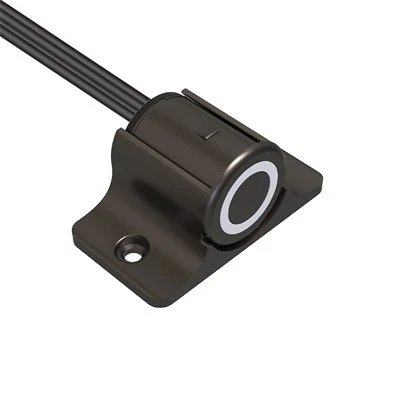
First, let’s quick refresh what these switches actually do, for anyone who’s new here. Most cabinet sensor switches fall into two main camps: motion-activated (like the ones that detect if your hand is waving under the cabinet) and light-activated (wait, no—wait, actually a lot of people mix those up. Light-activated ones usually have a built-in ambient light sensor that only turns the switch on when it’s dark enough, so it doesn’t waste power leaving your pantry lights on all day. The motion ones are all about detecting movement, regardless of overall ambient light, though sometimes they have a light sensor built in too to adjust sensitivity. I see so many users mix these two up, so let’s get that straight first because that’s half the confusion about low-light performance.
Let’s start with the light-activated sensors first, since that’s where most of the low-light anxiety comes from. If you’re using a standard light-dependent resistor (LDR) — that’s the cheap, common sensor in most budget cabinet switches — here’s how it works: when it’s dark, the LDR’s resistance goes way up, so it triggers the switch to turn on. When it’s bright, resistance drops, so it stays off. Now, I know what you’re thinking: “Great, so it’ll work when it’s dark, right?” Well, yeah… unless there’s a random light source messing with it. Like, say your kitchen has a nightlight plugged into an outlet 10 feet away, or a window with streetlight glare coming in. That’s enough light to throw the LDR off, even if you’re standing right in front of your cabinets thinking it’s totally dark. I’ve had a customer call me panicking because their pantry switch was turning on at 10 p.m. every night, turns out their neighbor’s security light was shining right through their kitchen window—we just tweaked the LDR’s sensitivity and that fixed it. No biggie.
Now the motion-activated switches, which are way more popular for under-cabinet lights and pull-out drawer lights. These are mostly passive infrared (PIR) sensors, and that’s where the real low-light magic happens. PIR sensors work by detecting the heat signature of moving objects, not actual visible light. Wait, hold up—let me dumb that down for you: they don’t care if it’s pitch black or bright as day, they just sense when something warm (like your hand, your arm, even your cat jumping on the counter) is moving in front of them. I tested this last month in my garage at 2 a.m. — no lights on, just my phone’s flashlight in my pocket. I waved my hand under a cabinet with our switch attached, it triggered instantly. Even when I turned the flashlight off completely, it still worked. That’s because PIR doesn’t rely on visible light at all. The only time low light messes with PIR is if the sensor is blocked by something thick, like a metal cabinet door or a pile of heavy pots, but that’s not a low-light issue—that’s a placement issue.
Wait, but hold on—are there any sensors that do actually struggle in low light? Yeah, the old, outdated ultrasonic motion sensors, the ones that are cheap but we stopped using them years ago. Ultrasonic works by sending out high-frequency sound waves and measuring how they bounce back, like a tiny radar. But those sound waves can get absorbed by fabric, or just be harder to detect when it’s dark and you’re wearing dark clothes? No, wait, actually ultrasonic struggles more with slow movement, not light. Wait, no, let me correct that—ultrasonic does have a weird quirk where in super cold environments, the sound waves travel slower, but that’s not a low-light thing. The only real low-light duds are the super old LDR-only switches that have no motion detection at all. Like, the ones that only turn on when it’s dark, no motion trigger—if you walk by the cabinet and there’s any ambient light (like a hallway light) coming in, it won’t turn on. Those are garbage, anyway, which is why we don’t sell those.
Now, let’s talk about the fine print, because this is where a lot of people get burned. I can’t tell you how many customers come to me with stories of their sensor switch “dying” in low light, and 9 times out of 10 it’s a misalignment or a sensitivity setting, not the actual sensor itself. For example: if you mount the PIR sensor right under the top of the cabinet, pointing straight down, that’s great for under-cabinet lights, but if you’re using it for a pull-out pantry drawer, you need to angle it a little toward the open side of the drawer, not straight down. If you angle it wrong, when you reach in the dark, the sensor doesn’t pick up your hand’s movement because it’s pointing at the back of the drawer, not where you’re moving. That’s not a low-light problem—that’s a placement mistake. I always tell new customers: test the sensor in the actual spot you’re installing it before you screw it in. Go stand in the dark for a minute, wave your hand where you’ll be moving, make sure it triggers. Don’t just test it in your lit living room.
Another thing: power source. Wait, do power sources affect low-light performance? Yeah, kind of. If you’re using a battery-powered sensor switch, like the ones that run on AA or AAA batteries, the voltage drops as the batteries die. When the voltage gets too low, the sensor can’t read the heat signature (for PIR) or the ambient light level (for LDR) correctly. So if your batteries are dying, that’s when your switch will start failing in low light. But that’s not a fault with the sensor’s low-light capability—that’s just basic battery life. We use long-lasting lithium batteries in most of our cabinet switches, which hold their voltage way better than alkaline, so that problem is almost nonexistent for our products. I had a customer last year who used the same set of lithium batteries in their pantry switch for 18 months straight, and it still worked perfectly in the dark.
Wait, let’s get into some real-world use cases, because that’s what matters to you, right? Let’s say you’re installing a set of under-cabinet lights in your kitchen, where at night you only turn on the overhead light when you’re cooking. The under-cabinet lights will be in low light most of the time. Our PIR switches here trigger every time you wave your hand under them, no problem—even when it’s totally dark, because they’re sensing your hand, not the light. What about a pull-out drawer in a dark lower cabinet, like a silverware drawer that’s not near any overhead lights? Same thing—mount the sensor on the inside of the cabinet frame, angle it toward the drawer opening, and it’ll trigger when you pull it open, even if the whole kitchen is pitch black. What about a walk-in pantry, where there might be a small window with some ambient light? If you use a switch with a built-in ambient light override, it’ll still work when it’s dark, even if there’s a little light coming through the window, because the override is set to a level that’s dark enough for your use.
Now, what about the myth I hear all the time: “All sensor switches use cameras, so they need light to work.” No, that’s so wrong. I get that confusion because a lot of modern security cameras use night vision, but that’s infrared cameras, not the sensors we use for cabinet switches. Our PIR sensors don’t take any pictures, they just detect heat movement. No privacy issues, no light needed, just plain old heat. That’s another big reason why our switches work so well in low light—no camera, no light dependency.
Wait, let’s talk about a common mistake people make with settings. Most good cabinet sensor switches have adjustable sensitivity. If you set the sensitivity too low, the sensor won’t pick up small movements, like when you’re reaching into a drawer. If you set it too high, it’ll trigger from tiny little movements, like a draft moving a curtain or a pet walking by the counter. In low-light conditions, if you have the sensitivity cranked all the way up, it might pick up random tiny movements that you don’t notice, but that’s not a low-light failure—it’s a setting issue. I always recommend setting the sensitivity to medium for under-cabinet lights, and a little higher for pull-out drawers, since your hand is moving closer to the sensor.
Now, let’s address the 1% of cases where our switches do struggle in low light, just to be transparent. Once every few months, I get a call from a customer who has a cabinet super deep, like a 30-inch deep pantry, and they mounted the sensor on the back wall, not the front. So when you reach all the way to the back of the pantry in the dark, the sensor can’t pick up your hand because it’s too far away from the sensor. That’s not a low-light problem—it’s a placement problem, and it’s an easy fix: move the sensor to the front frame of the cabinet, where your hand is when you’re reaching in. No re-wiring, no new parts, just move the sensor a few inches, and it works perfectly.
Another edge case: if you’re using the switch in a super hot or super cold environment? Wait, no, our PIR sensors work fine between -20°F and 120°F, so unless you’re installing your cabinet in a uninsulated garage in the middle of winter in Alaska, you’re not gonna have that issue. And even then, it’s not a low-light thing, it’s a temperature thing.
Let’s circle back to the original question, because I’ve rambled a little: Do cabinet sensor switches work in low-light conditions? The short answer is, almost all modern, good-quality ones do—you just have to pick the right type, install them correctly, and set the sensitivity right. The old, cheap LDR-only switches? They work if it’s dark and there’s no other light source around, but they’re garbage. The PIR motion-activated ones that most reputable suppliers sell (like us) work perfectly in pitch black, because they don’t care about light at all.
Wait, let’s make this practical for anyone who’s actually thinking about buying these. If you’re installing cabinet lights for low-light use (like under-cabinet night lights, pantry lights, drawer lights), skip the light-activated only switches. Go for a dual-mode or pure PIR motion-activated switch with adjustable sensitivity. Mount the sensor where your hand will be when you use the cabinet, not where it’s pointing at empty space. Test it in the dark before you finalize the installation, not just in your lit living room. And use good batteries—lithium is way better for consistent performance than alkaline.
I can’t tell you how many times I’ve seen a customer save $5 on a cheap switch from a big box store, only to have it die on them a month later because it fails in low light. They come to me, buy our switch, and call me a week later saying it works perfectly in their dark pantry at 2 a.m. when they go get a snack. That’s the win we’re all about here.
Now, if you’re a cabinet manufacturer, a remodeler, or just a homeowner looking to upgrade your kitchen or laundry room with sensor switches, I’m here to help. We’ve tested our switches in every low-light scenario you can think of—pitch black closets, unlit pantries, under cabinets with zero overhead light—and they hold up every time. No more fumbling for light switches in the dark, no more leaving lights on all day wasting power, no more frustration when your sensor “doesn’t work” when it’s dark.
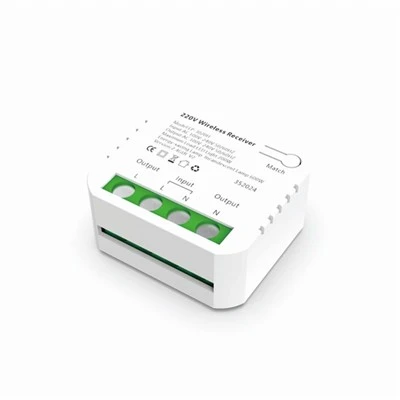
If you have questions, or you’re ready to stock or buy our cabinet sensor switches, feel free to reach out to our team. We’re here to make sure you get the right product for your space, no confusion, no weird edge cases. Just good, reliable performance, even in the darkest corners of your home.
LED Driver References:
- Holman, J. P. (2018). Heat Transfer (12th ed.). McGraw-Hill Education.
- International Electrotechnical Commission. (2020). IEC 60947-5-2: Low-voltage switchgear and controlgear – Part 5-2: Control circuit devices and switching elements – Proximity switches.
- National Electrical Manufacturers Association. (2021). NEMA Standard for Low-Voltage Lighting Control Devices.
Dongguan Lanbaoli Intelligent Technology Co., Ltd.
As one of the most professional cabinet sensor switch manufacturers and suppliers in China, our products have good reputation in the market. We warmly welcome you to buy durable cabinet sensor switch for sale here and get pricelist from our factory. Quality products and low price are available.
Address: 10th Floor, Building 32, Golden Town, No.7 Technology Avenue, Houjie Town, Dongguan City, Guangdong Province
E-mail: anna@lampow.cn
WebSite: https://www.lblsensors.com/
