If you’ve ever stood in a store aisle scrolling through rain gear options, or stared at a cart of unopened jackets at the start of a backcountry trip, you’ve probably asked the same question: “Why does this $150 rain jacket feel twice as heavy as the $250 one next to it?” And if you’re an outdoor professional or someone who buys rain gear in bulk—whether for a team, a retail location, or a work crew—you’ve likely wondered about the weight of rain jackets and pants, not just for comfort, but for functionality, logistics, and value. As a supplier of rain jackets and pants, I get dozens of emails a week asking this exact question. Most of the time, the answers I hear are guesses: “A good rain jacket should be under a pound,” or “Pants can’t weigh more than two pounds.” The truth is, that’s way too vague—weight depends on way more than just the brand or price tag. Let’s break down what actually determines the weight of typical rain jackets and pants, how that translates to real-world use, and what that means for you as someone looking to purchase quality rain gear. Rain Jacket and Pants

First, let’s start with jackets, the most common piece of rain gear, because their weight is the subject of so much buyer confusion. When we talk about “typical” rain jacket weight, we have to narrow it down by category, because a casual jacket you throw on at a soccer practice is way different from a technical backcountry shell you’d wear for alpine climbing. Let’s stick to the categories most people and businesses buy: recreational everyday use, technical outdoor use, and commercial work use.
For recreational everyday rain jackets—think the kind you’d wear walking the dog, commuting to work, or going on a day hike in mild, damp conditions—the typical weight ranges from 12 ounces to 1.25 pounds (340 grams to 567 grams). That’s roughly the weight of a standard water bottle, or a small paperback book. These jackets are usually made with lighter, more flexible fabrics, often a 2.5-layer construction (more on that in a minute) that balances waterproofing and breathability without adding bulk. A common example here is a jacket designed for casual spring or fall use, no need for extra insulation, just a shell. I’ve seen buyers assume all rain jackets are this light, which is where the confusion starts. If you’re a contractor who needs rain gear that can stand up to six weeks of heavy rain on a construction site, this recreational jacket isn’t going to cut it, and it’ll be way lighter than what you actually need.
Next, technical outdoor rain jackets, for hikers, climbers, and backpackers who might be carrying that jacket in a pack for most of a trip, only putting it on when it starts pouring. These are the lightest of the bunch, with typical weights ranging from 7 ounces to 12 ounces (198 grams to 340 grams). That’s like the weight of a phone, or a small bag of apples. The lightest technical jackets on the market right now are ultralight 2-layer shells, using super thin, high-performance waterproof-breathable membranes and fabrics that are just as durable as heavier ones, but much lighter. A lot of my outdoor buyer clients are always chasing that lower weight, because every ounce counts when you’re carrying 30+ pounds of camping gear on a multi-day trip. But here’s the catch: these ultralight jackets aren’t for everyday use. They tear easily if you brush up against a branch, and the thin fabric might not hold up to heavy abrasion, like crawling under a fallen log or kneeling on a rocky surface.
Then there’s commercial work rain jackets, the workhorses of the rain gear world, made for people who are outside in rain, wind, and mud for 8+ hours a day, five days a week. These are the heaviest, with typical weights ranging from 1.5 pounds to 3 pounds (680 grams to 1.36 kilograms). That’s the weight of a full liter water bottle, or a small laptop. Why so heavy? Because work jackets use 3-layer or even laminate construction, thicker, more abrasion-resistant fabrics, reinforced seams, and extra features like adjustable cuffs that don’t slide when you’re lifting heavy tools, or hoods that fit over hard hats. They’re built to last for years, not just a few season of weekend hikes, and all that durability adds weight. I had a forestry service client last year who told me their old work jackets would tear in half after six months of cutting brush, so they switched to a heavier, reinforced model, and the replacement rate dropped by 70%. That’s the tradeoff: light jackets save weight on your body or in your pack, but heavy work jackets save you money in replacements and downtime.
Now for rain pants, which people rarely think about until they’re standing in a downpour, and their pants are weighing them down so much they can barely walk. The typical weight of rain pants varies even more than jackets, because they’re cut differently, and used for totally different purposes. Again, let’s break it down by category, starting with recreational everyday rain pants. For casual use, commuting, or light hikes, typical rain pants weigh between 10 ounces and 1.5 pounds (283 grams to 680 grams). That’s roughly the weight of a large smartphone, or a standard textbook. These are usually pull-on style, no zippered sides, flexible fabrics, designed to be worn over regular pants or jeans for mild rain. They’re not meant for heavy activity, so their weight is low, but they also don’t have a lot of reinforcement.
Technical outdoor rain pants, for backpackers and climbers, are a bit lighter, usually 8 ounces to 12 ounces (227 grams to 340 grams). That’s about the weight of a pair of socks, or a pack of playing cards. These are usually ultralight 2-layer shells, often with side zippers that let you put them on or take them off without taking off your hiking boots, which is a huge plus when you’re on a trail in the rain. But again, like their jacket counterparts, they’re not super durable. I’ve had a few backcountry guide clients come to me with torn ultralight pants, complaining that they caught on a rock or a branch, so they needed something sturdier.
Commercial work rain pants, just like work jackets, are the heaviest, with typical weights ranging from 2 pounds to 3.5 pounds (907 grams to 1.59 kilograms). That’s the weight of a 2-liter water bottle, or a small sandwich. Work pants are built with reinforced knees (since you’re kneeling all day on construction sites or docks), extra-abrasion-resistant fabric on the seat and thighs, side zippers for easy on/off over boots, and adjustable waistbands that stay put when you’re lifting heavy equipment. One of my HVAC technician clients told me that when they switched to work rain pants that were a few ounces heavier, their technicians didn’t complain as much about leg fatigue at the end of the day. It sounds counterintuitive, but a well-fitting, balanced heavy work pant doesn’t pull awkwardly when you’re bending over, which actually makes it more comfortable than a thin, ill-fitting light pant.
Now that we’ve covered the basic weight ranges, you might be wondering: why do two jackets that are the same weight feel totally different? That’s where fabric construction comes in, and it’s one of the biggest factors I see buyers overlook when choosing rain gear. Rain jackets and pants are made with three main fabric layers: the outer shell (what touches the outside world), the waterproof-breathable membrane (the layer that keeps water out and lets sweat escape), and the inner lining (what touches your skin). The way these layers are combined determines how much the gear weighs, how durable it is, and how it feels.
2-layer construction is the lightest, but also the least breathable and durable. It’s the outer shell fabric bonded directly to the membrane, no separate inner layer. This adds less weight, but over time, the membrane can get scratched or worn if you brush against rocks or branches. Most ultralight technical jackets and recreational casual jackets use 2-layer construction. 2.5-layer construction is a middle ground, and it’s the most common for everyday and light outdoor use. The outer shell is bonded to the membrane, and a thin, lightweight inner “scrim” is added only in high-wear areas, like the underarms or the inside of the sleeves. This adds just a few ounces of weight, but makes the jacket much more durable than a 2-layer, without the bulk of a full 3-layer. 3-layer construction is the heaviest, but also the most durable. The membrane is bonded to both the outer shell and a full inner lining, so the membrane is completely protected from abrasion. This is what all commercial work jackets and pants use, and it’s why they stand up to years of heavy use, even if they’re a bit heavier.
Another big factor in weight is features, and they can add up fast. A jacket with a fixed hood vs. a removable, adjustable hood? The adjustable one is going to weigh more, because it has drawcords, toggles, and maybe a visor. Jacket with pit zips for ventilation? Those add zippers and fabric, so even a small pair of pit zips can add an ounce or two. Pants with reinforced knees, belt loops, or side zippers? Those add weight, but they’re non-negotiable for most work or outdoor use. I once had a customer order 50 rain jackets, and when they received them, they emailed asking why they were half an ounce heavier than the sample. Turns out, the sample they tested didn’t have the chest pocket that the buyer had specified for their team, which is a small feature but adds material and weight.
Now, let’s talk about what “typical” really means, because a lot of brands will list a jacket’s weight on the tag, but they might not specify if that’s for a men’s medium, a women’s small, or a big and tall size. Size makes a huge difference too: a men’s 2XL rain jacket is going to weigh more than a small, just because it’s bigger fabric. I always tell my buyers to check the weight for the size they need, because a 1-pound jacket in medium is not the same as a 1.5-pound jacket in 2XL. For reference, most reputable suppliers list weight per size, not just a one-size-fits-all number, which is a good sign you’re getting accurate info.
As a supplier, I’ve seen so many buyers make the mistake of chasing the lightest possible rain gear, no matter what they’ll use it for. For example, a local high school cross country team that bought ultralight technical rain jackets for their meets, only to have half of them tear after one season, because the runners would brush against fences or branches while warming up. They came back to me and ordered a 2.5-layer recreational jacket that was only 2 ounces heavier, but lasted three full seasons. That’s the balance: weight is important, but it has to match the use case. If you’re a backpacker on a multi-day trip, every ounce matters, so an ultralight jacket is worth the tradeoff in durability. If you’re a construction worker putting on a jacket at 7 a.m. and taking it off at 5 p.m. in pouring rain, a heavier, durable work jacket is going to save you money and frustration in the long run.
So, what’s the average weight you can expect when shopping for rain jackets and pants? For most recreational use (everyday, commuting, light hikes), jackets will be 10 ounces to 1.25 pounds, pants will be 12 ounces to 1.5 pounds. For technical outdoor use, jackets are 7 ounces to 12 ounces, pants are 8 ounces to 12 ounces. For commercial work use, jackets are 1.5 pounds to 3 pounds, pants are 2 pounds to 3.5 pounds. That’s the range I’ve seen across thousands of orders, from small teams to large corporations.
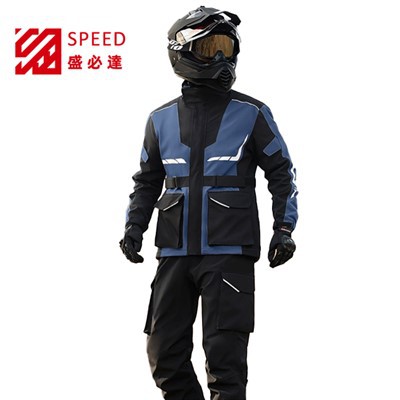
At the end of the day, the “right” weight for you depends on what you need the gear to do. If you’re tired of rain jackets that are too heavy, tear easily, or don’t hold up to your work, we can help you find the right balance of weight, durability, and price. Whether you’re ordering for a small team, a retail location, or a large workforce, we offer custom sizing, reinforced features, and a range of weights to fit every use case. To discuss your specific needs, please reach out to our team for a personalized quote and product recommendations.
Work Pants References
Outdoor Industry Association. (2022). Rain Gear Specifications and Durability Report.
Waterproof Fabrics Association International. (2021). Layer Construction and Weight Standards for Rain Apparel.
National Park Service. (2020). Backcountry Rain Gear: Weight vs. Durability for Multi-Day Trips.
OSHA. (2023). Personal Protective Equipment for Wet Work Environments.
Huizhou Shengbida Technology Co., Ltd.
We are one of the most professional rain jacket and pants manufacturers and suppliers in China, specialized in providing high quality customized service. Please feel free to buy cheap rain jacket and pants for sale here and get free sample from our factory. For price consultation, contact us.
Address: No.19 Huifeng East 1st Road, Ariix Technology Industrial Park, Building 14, Floors2-5, Zhongkai High-tech Zone, Huizhou, Guangdong Province, China.
E-mail: y312029540@gmail.com
WebSite: https://www.shengbidatech.com/
