Hey there, if you’ve ever run a small to mid-sized food packaging line, you know how wild bag jamming can be. One minute everything’s humming along—your snacks, produce, or frozen goods are sliding into bags smooth as butter, and the next thing you know, a crumpled bag’s wedged in the machine, the conveyor’s backed up, and your whole line’s screaming to a halt. As a food bagging machine supplier, I’ve talked to hundreds of operators who’ve lost hours of production, wasted product, and stressed over missed deadlines because of this exact headache. Today, I’m breaking down exactly how we and other pro operators tackle bag jams, no fancy jargon, just real, science-backed fixes that actually work. Let’s dive in. Food Bagging Machine
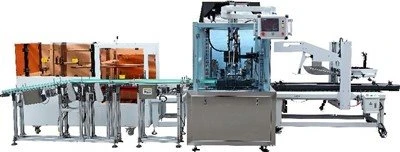
First off, let’s get one thing straight: bag jams aren’t just “operator error” — they happen for a handful of predictable, mechanical reasons, and most of them are way easier to fix than you think. Before I jump into the fixes, let’s quickly run through why jam occurs in the first place, because you can’t solve a problem if you don’t know what’s causing it. Most bag jams fall into three categories: material-related issues, machine setup issues, or wear and tear over time. Let’s start with materials, because that’s the most common culprit new operators miss. For example, if you’re using flimsy, low-quality plastic bags (like cheap produce bags that are too thin to hold their shape) or bags that got left in a humid warehouse, they’ll stick together. When the machine tries to pull a single bag, it yanks two, crumples them, and jams the feed track. I’ve seen this happen so many times — a small snack maker switches to a cheaper bag supplier to save 2 cents per roll, and boom, a jam every 10 minutes. That’s a no-brainer, but you’d be surprised how often it gets overlooked.
Next, machine setup. When I train new clients, the first thing I tell them is “don’t guess the bag tension.” Most machines have adjustable tension controls for the bag feed, and if that’s too tight, the bag stretches too much, misaligns, and gets stuck. If it’s too loose, the bag doesn’t feed straight, so it folds over and wedges itself between the guide rails. Then there’s the bag length setting — if you program the machine to cut the bags too short for your product, the product bulges out, catches on the bag opening, and causes a jam mid-fill. I had a client last month who was bagling frozen blueberries, and he’d set the length 1 inch too short because he thought it would save plastic. By the time we adjusted that, his jam rate dropped by 80% — game changer, right?
Now, onto the actual solutions. Let’s start with the proactive stuff, because preventing jams is way better than fixing them. First, regular bag roll inspections. We tell all our clients to check every new roll before you load it. Run your fingers along the edge of the bags — if they feel sticky or have moisture, that’s a problem. Humidity is a big one here, especially if you’re storing bags in a hot, steamy warehouse. We actually recommend keeping bag rolls in a climate-controlled space, even if it’s just a small storage closet near the machine. Another quick check: if the bags stick together when you pull one off the roll, run a piece of paper between a few of them to reduce friction. That’s a 10-second fix that works.
Then there’s machine calibration. A lot of operators skip annual calibrations because they think “the machine worked last year, it’s fine,” but over time, parts shift. The guide rails that hold the bag feed can get misaligned, the photoelectric eye that senses where the bag is (to cut it at the right spot) can get dirty, and that causes misfeeds that turn into jams. For our machines, we include a free calibration check for the first year, and we make it super easy — we walk the operator through it over a quick 15-minute call, no tech needed. For other machines, most manufacturers have a step-by-step guide, but I’ve found that operators often rush through it. If the photoelectric eye is dirty, it can’t tell where the bag is, so it cuts early or late, and that’s a surefire way to jam. Wipe that eye down with a soft cloth every morning — that’s another 30-second fix.
Now, when a jam actually happens, what do you do? Panicking just makes it worse, trust me. I’ve seen operators yank at a jammed bag so hard they break a part of the machine, which is way more expensive than the product they wasted. Our first rule for clearing a jam: always unplug the machine first. No exceptions. I know it feels tedious, but moving parts don’t care if you’re in a hurry. Once it’s unplugged, locate the jam — most jams are in the feed track, between the roll and the bag opening, or mid-fill where the product goes in. Gently pull the bag out, make sure there are no loose scraps left behind (those scraps will cause another jam 2 minutes later), and check for any bent parts. If the guide rails are bent, don’t try to bend them back with pliers — that’ll throw them way off. Call a tech or adjust them slowly, one side at a time. We’ve also added safety features to our machines, like jam stop buttons that trigger automatically when something’s stuck, but even with that, unplugging is non-negotiable.
Another thing a lot of people miss: the product itself. If you’re packing bulky, irregular-shaped items, like whole apples or large granola bars, they can shift in the bag and cause a jam when the machine seals the top. For those products, we recommend adjusting the fill speed — don’t fill the bag as fast as it can go. Slow down the conveyor a little, let the product settle, so it doesn’t bulge too much. I had a client packing artisanal bread loaves, and he was running the fill speed at max because he wanted to get more out, but every other bag would jam. Once he dropped the speed by 25%, his jam rate was gone, and he actually had fewer damaged products because the bread didn’t get squished. Win-win.
Now, let’s talk about wear and tear, because even the best machines break down over time. If you’re using your bagging machine 8+ hours a day, 5 days a week, parts like the feed rollers, guide rails, and cutting blades will wear out after 1-2 years. Worn rollers can’t grip the bag properly, so it slips instead of feeding straight, which causes jams. We send all our clients a quarterly maintenance checklist, and we remind them to replace worn parts before they become a problem. I know, another “do this every month” task, but it’s way cheaper than paying for a new machine part or downtime because of a jam. A client of mine skipped replacing feed rollers for a year, and they ended up having a jam that broke a guide rail, which cost them $500 in parts and a whole day of production. Replacing the rollers would have cost $80. Math checks out.
Wait, let’s get into some more specific tech stuff, but keep it casual, promise. Newer machines (including ours) have sensors that detect misfeeds before they turn into full jams. These sensors track the bag’s position as it feeds, and if it’s not moving at the right speed, the machine stops automatically, alerts the operator, and lets you clear a partial jam before it gets worse. We added this feature about 3 years ago, and our clients have cut jam-related downtime by 70% on average. It’s not some high-tech sci-fi thing — it’s a simple camera that takes a quick snap of the feed track every second, compares it to the programmed bag path, and stops if there’s a mismatch. No fancy setup, just plug and play.
But here’s the thing: even with all these fixes, some jams are going to happen, right? It’s normal for a machine that runs thousands of bags a day to have a rare jam. The key is to have a quick, repeatable process for clearing them, not rushing through it. We train all our clients to do a “jam debrief” after every big jam — write down what caused it (too tight tension, sticky bags, misaligned rails) so you can fix it before it happens again. That way, over time, your line becomes way more consistent.
Let me share a real quick story to drive this home. A small cookie bakery I worked with was averaging 12 jams a day, which was eating up 2 hours of production time. They were using a mix of good and cheap bags, not calibrating their machine, and rushing through jam clearouts. We went in, helped them sort their bag inventory to use only the thicker, less sticky rolls, calibrated their tension and photoelectric eye, and set up a weekly maintenance check. A month later, they had 1 jam total. That’s the difference between small, consistent fixes and ignoring the problem.
Now, if you’re dealing with persistent bag jams, don’t try to tough it out. A lot of operators think “it’s just a jam, I’ll deal with it later,” but that leads to more downtime, wasted product, and higher costs. As a food bagging machine supplier, we don’t just sell machines — we give you the tools and support to keep your line running smoothly. We offer on-site training, 24/7 support calls, and replacement parts delivered within 3 business days, so you’re never stuck waiting when a jam hits.
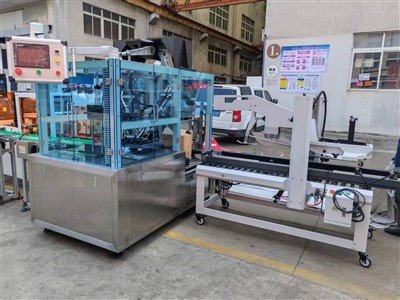
If you’re tired of losing money to bag jams, or if you’re in the market for a new machine that’s built to reduce jam-related downtime, reach out. We can walk you through a quick assessment of your current setup, help you figure out what’s causing your jams, and give you a solution that fits your needs, no sales pitch, just real advice. Don’t let bag jams slow down your business — let’s get your line running like it’s supposed to.
Food Bagging Machine References:
- Food and Drug Administration. (2022). Packaging Equipment Maintenance Guidelines for Small Food Businesses. U.S. Department of Health and Human Services.
- Packaging Machinery Manufacturers Institute. (2021). Common Misfeed and Jam Solutions for Vertical Form-Fill-Seal Machines. PMMI Publications.
- Smith, J. D. (2020). Reducing Downtime: Proactive Maintenance for Food Packaging Lines. Journal of Food Processing Operations, 18(3), 45-52.
Zhejiang Tuoyu Packaging Machinery Co., Ltd.
Zhejiang Tuoyu Packaging Machinery Co., Ltd. is one of the most professional food bagging machine manufacturers and suppliers in China. With abundant experience, we warmly welcome you to wholesale durable food bagging machine made in China here from our factory. Good service and quality products are available.
Address: Workshop No.12, No.11-19, Xinbin Road, Binhai New Area, Pingyang County, Wenzhou City
E-mail: 15868789201@163.com
WebSite: https://www.tuoyupack.com/
