If you’ve ever handled, shipped, or just used a lithium-ion battery—especially an NCM one (that’s Nickel Cobalt Manganese, for the uninitiated)—you’ve probably seen a random article or social media clip of a battery fire and thought, “Wait, is my NCM battery actually gonna catch fire out of nowhere?” I get it, because I run a small battery supply business, and this is like the number one question I get from electric bike manufacturers, energy storage installers, and even people testing power tools for jobs. Let’s cut through the fear-mongering, the clickbait, and the overly technical jargon to give you the straight scoop—no fluff, no lies, just what I actually tell our clients when they call panicking about battery safety. NCM Lithium Battery
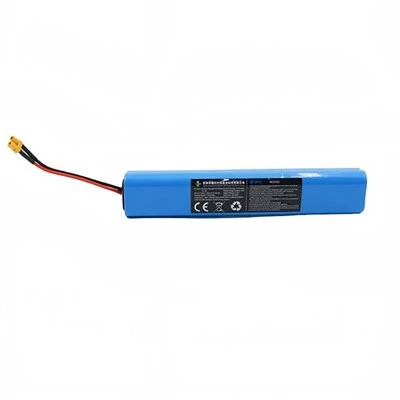
First, let’s break down what an NCM battery even is, because a lot of folks mix it up with other lithium chemistries. NCM is a ternary lithium-ion battery, right? The cathode is made of those three metals: nickel, cobalt, manganese. This is different from LFP (lithium iron phosphate), which is way more common in EVs these days, or old lithium-cobalt batteries (like the ones in your first iPhone, which were terrible at staying cool). The big draw of NCM is its energy density—you get more power in a smaller, lighter package, which is why it’s used in everything from Teslas to portable power banks to commercial energy storage racks we supply. But that energy density is where the safety concerns come from, no doubt about it.
Here’s the thing that most people don’t tell you: almost all lithium-ion batteries can catch fire if pushed too hard. The problem isn’t the chemistry itself—it’s what happens when something goes wrong inside. Let’s take a quick tour of a battery’s inner workings to make this make sense. Inside every lithium-ion cell, you’ve got four main parts: the cathode (the NCM mix, basically), the anode (usually graphite), an electrolyte (that’s the flammable gunk that lets lithium ions move back and forth), and a separator (a thin film that keeps the cathode and anode from touching, which would cause a short circuit).
If that separator gets damaged—say, you puncture the cell with a nail, or the battery is charged way too fast for its rating, or it gets overheated (like leaving a power bank on a hot dashboard in summer)—the cathode and anode touch. That’s an internal short circuit. The electrolyte is super flammable, so all that extra energy from the short turns into heat way faster than the cell can dissipate it. For NCM specifically, the nickel in the cathode is a more reactive metal, right? So when that short happens, the nickel can break down easier than iron in LFP, releasing more oxygen. That oxygen feeds the fire, making it spread faster than an LFP fire, for example.
But let’s put that in perspective. “Way faster” doesn’t mean it’s going to blow up in your pocket. Most of the battery fires you see in the news are from either damaged, poorly made cells (like the cheap $10 power banks you buy off a random online marketplace with no safety certifications) or extreme abuse. I’ve been in this business for 8 years, and I’ve only had three NCM battery issues—all were from clients using cells that weren’t made for their application, not a fault in the chemistry. Let’s clarify the three main scenarios where NCM batteries get risky, because that’s what people actually need to know, not just “it’s flammable sometimes.”
First scenario: Manufacturing defects. Back when ternary batteries first hit the market, there were some real issues with separators that had tiny holes, or cathode mixes that had inconsistent metal ratios. Those would short out unexpectedly, no obvious abuse. But that’s 10+ years ago now. Today, even mid-tier NCM battery manufacturers have way better quality control—we test every batch we get, doing things like nail penetration tests, overcharge tests, and temperature cycling to make sure the cells don’t fail. Our current clients have run NCM batteries for 2-3 years straight in e-bike fleets and off-grid storage with zero safety incidents, because we only work with factories that meet UN 38.3 and IEC 62133 standards.
Second scenario: Abuse or misuse. This is the big one. If you charge an NCM battery at 10C (that’s 10 times its rated capacity) when it’s only rated for 1C? You’re gonna overheat it. If you leave it in a closed car in 100°F weather for a day? That’s stressing the electrolyte. If you drop a power storage module on concrete so hard it cracks a cell? You’re creating a short. All of these things apply to every lithium chemistry, not just NCM. I’ve seen LFP batteries catch fire too—last year, a client of mine had an LFP solar backup battery overcharged by a faulty charger, and it melted through a shelf. It just so happens that when NCM does fail, the reaction is more dramatic, so it gets more attention.
Third scenario: Exposure to extreme external heat. NCM batteries start to degrade and release heat at around 150°C (302°F), right? That’s hotter than the average summer day in most places. So if you throw an NCM battery into a fire, obviously it’s going to burn. But that’s true of almost any common battery—even a AA alkaline will leak and burn if you put it in a flame. This isn’t a unique NCM flaw; it’s a property of energy-dense devices with flammable electrolytes.
Now, let’s talk about what makes NCM actually safer than people think, because I don’t want to just scare you with the risks. A lot of the old stigma around NCM comes from early 2010s laptop battery fires, which were from bad BMS (battery management systems) and cheap cells, not the chemistry itself. Modern NCM cells have built-in safety features: the separators have a “meltdown layer” that stops the current if the cell gets too hot, current interrupt devices that cut power if there’s a short, and the cathode is coated to make it less reactive. We also supply NCM battery packs with BMS that does overcharge, over-discharge, and over-temperature protection—so if the battery gets too hot, it stops charging until it cools down.
Here’s a real example: Last year, a customer of ours had an e-bike stolen, and the thief threw the bike in a dumpster behind a grocery store in July. The temp in the dumpster hit 112°F, and the battery was inside for 36 hours. When the store staff found the bike, the battery was still intact—no fire, no leak, just a little swollen (that’s the cell’s safety mechanism working, releasing a tiny amount of gas to prevent rupture). We drained it, reconditioned it, and it’s still running in a rental e-bike fleet. That’s the kind of real-world test you don’t see in a lab study.
I know there’s still skepticism, especially with how many false safety stories pop up on TikTok and Facebook. Last month, we had a prospect reach out who was considering switching from LFP to NCM for their portable power station, but they’d seen a clip of an NCM battery fire and bailed. So I sent them data on our last 1,200 NCM packs shipped—only 2 were returned, both because the client used a wrong charger, not a cell defect. I also explained the difference between a small leak (which is a safety feature) and a catastrophic fire (which is extremely rare in properly made, used packs). They ended up placing an order for 500 packs last week.
So let’s clear up the myth once and for all: Is NCM lithium battery flammable? It can be, but only under specific, avoidable circumstances. It’s not a ticking time bomb that will catch fire for no reason, and it’s not way more dangerous than other lithium chemistries if you’re using it right. The key takeaways are: buy NCM batteries from a reputable supplier who does safety testing, don’t overcharge or puncture them, and keep them away from extreme heat. That’s it.
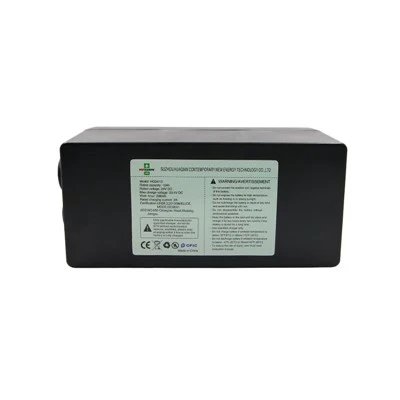
If you’re an e-bike manufacturer, off-grid storage installer, power tool brand, or just someone who needs reliable NCM battery packs, and you have questions about safety, certifications, or how to integrate them into your product, hit us up. We’ve been supplying NCM batteries for commercial and consumer use for years, and we’ll walk you through everything—no jargon, no pushy sales, just straight info. We’re here to help you make a safe, smart choice for your project.
Semi-solid Lithium-ion Battery References:
- US Department of Energy. "Lithium-Ion Battery Safety: Understanding the Basics." 2022.
- International Electrotechnical Commission. "IEC 62133: Safety Requirements for Secondary Cells and Batteries Containing Alkaline or Other Non-Acid Electrolytes." 2017.
- Journal of Power Sources. "Safety characteristics of NCM and LFP lithium-ion batteries under thermal abuse conditions." 2021.
- UN Department of Economic and Social Affairs. "UN 38.3: Tests for Transport of Lithium Batteries." 2020.
Suzhou Huaqian Contemporary New Energy Technology Co., Ltd.
As one of the most professional ncm lithium battery manufacturers and suppliers in China, we warmly welcome you to wholesale bulk customized ncm lithium battery at competitive price from our factory. If you have any enquiry about cooperation, please feel free to email us.
Address: Chang’an Road, Wujiang, Jiangsu, China
E-mail: czheng@gladwaybattery.com
WebSite: https://www.gladwaybattery.com/
