If you’ve ever worked in the construction industry, you know how critical aluminum formwork machinery is— it’s the backbone of fast, cost-effective, and structurally sound concrete forming for everything from high-rise apartments to commercial office buildings. But here’s a truth most builders don’t talk about: a top-tier machine is only half the equation. The other half? After-sales services that keep that machinery running smoothly, minimize downtime, and protect your investment. As someone who’s been supplying aluminum formwork machinery for over a decade, I’ve seen firsthand how the right after-sales support can turn a one-time purchase into a long-term partnership, while the wrong support can turn a good project into a costly nightmare. Aluminum Formwork Machinery
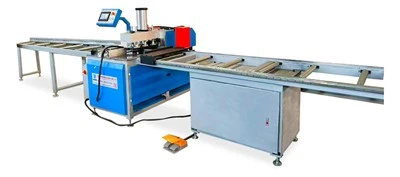
Let’s start with the basics: what do aluminum formwork machinery after-sales services actually look like? They’re not just fixing a machine when it breaks. They’re a full suite of support designed to address every stage of your machinery’s lifecycle, from the moment you unload it at your job site to the day you retire it. Over the years, I’ve tailored our services to fill gaps I saw in the industry— too many suppliers sell a machine and disappear, leaving customers stranded when a weld fails, a hydraulic line leaks, or their operators don’t know how to get the most out of their equipment. If you’re a contractor or construction company considering aluminum formwork machinery, understanding these services will help you make a choice that benefits your bottom line, not just your upfront budget.
First on the list: on-site installation and commissioning. This isn’t just hooking up a machine to power and water; it’s a critical step that prevents avoidable issues before they start. Aluminum formwork machinery, especially automated cutting or bending machines, requires precise calibration to ensure accurate cuts, tight-fitting forms, and consistent performance. I’ve seen customers try to install machinery themselves to save money, only to find that their machine cuts bars 2mm off spec— a small error that leads to misaligned forms, wasted material, and delays that cost thousands in labor and materials. For example, a client in the Middle East once told me they skipped our installation service to save $500, and within two weeks, their bending machine was producing forms that didn’t match the required dimensions. We had to send a technician to re-calibrate and retrain their team, which ended up costing them three times that initial “savings” in downtime. That’s why we include free on-site installation for all new machinery purchases: our technicians not only set up the equipment but also run test runs, adjust settings to match your project’s specific needs, and make sure every component works in harmony with your existing site layout.
Next, operator and maintenance training. Even the most advanced aluminum formwork machinery is only as good as the people running it. Too many contractors assume their existing construction workers can figure it out on the job, but these machines have specialized features— like computerized cutting programs, automated form assembly, and safety interlocks— that require targeted training. Our training programs are two-fold: hands-on workshops at our facility (or on-site, if you can’t travel) that cover everything from basic operation to routine maintenance, and a dedicated support team available to answer questions 24/7. We also offer refreshers; I’ve had clients call us six months after installation asking to train a new hire, and we make that easy, no extra fees for existing customers. Routine maintenance is another key part of this service: we offer scheduled maintenance packages where a technician visits your site every 3, 6, or 12 months to inspect for worn parts, lubricate moving components, and address small issues before they become big breaks. This not only extends the lifespan of your machinery (we’ve seen machines run 10+ years with proper maintenance, compared to 5-7 without) but also reduces unexpected downtime on job sites where time is money.
Then there’s spare parts support. Let’s be real: even the most well-maintained machine will need a replacement part at some point. A broken blade on a formwork cutter, a worn seal on a hydraulic press, a faulty sensor on an automated bending machine— these parts are small, but a 3-day wait for a replacement can shut down a production line, delay a project, and cost your company tens of thousands. That’s why we keep a large stock of common spare parts in regional warehouses around the world. If you need a part, we ship it within 24 hours— and for customers with maintenance packages, we even include a set of essential spare parts in their initial delivery, so you have what you need when an emergency hits. We also use durable, aluminum-specific parts (not cheap generic alternatives) because we know that using subpar parts leads to more frequent breaks and higher long-term costs. A few years back, a client in Southeast Asia had a broken hydraulic valve on a critical project; we shipped the part overnight, and they were back up and running the next morning, no delay to their pour schedule. That’s the kind of support that builds trust.
Warranty and repair services are the next piece of the puzzle. We offer a 12-month warranty on all new aluminum formwork machinery, covering manufacturing defects and faulty parts— and unlike some suppliers, that warranty doesn’t have hidden fine print. If a part fails due to a defect, we replace it for free, no questions asked. For repairs outside of warranty, we have competitive rates for both on-site and in-factory repairs, and we prioritize our long-term customers. We also work with customers to repair specialized components, like automated control systems or heavy-duty hydraulic arms, that many repair shops can’t handle. I’ll never forget a customer who had a 7-year-old machine with a broken control panel; instead of making them buy a $15,000 new machine, our technicians repaired the panel for $2,000 and got their machinery running again, saving them a huge expense. That’s not just good business— that’s how you support a partner, not just a customer.
Technical support and custom solutions round out the services. Construction projects are never one-size-fits-all; a high-rise in a dense city has different space constraints than a suburban housing development, and every project needs forms that fit its unique dimensions. Our technical team isn’t just here to answer “how do I start this machine?”— they work with you to adjust machinery settings, modify formwork to fit your project’s needs, and even design custom components if your project requires it. For example, a client working on a curved bridge needed custom formwork that our standard machinery couldn’t produce; our engineers adjusted the bending machine’s settings and created a custom jig, so they could produce the curved forms they needed without renting expensive third-party equipment. We also have dedicated account managers for every customer, so you always have a single point of contact instead of bouncing between different departments. That consistency makes a huge difference when you’re under pressure on a job site.
Now, you might be wondering: why is this all so important, especially when you’re focused on your next project? The fact is, aluminum formwork machinery is a significant investment— often tens of thousands of dollars per machine. If your machinery is down for a week because of a preventable issue, that’s not just a repair cost; it’s delayed completion fees, penalties for missing deadlines, and lost revenue from idle crews. I’ve seen contractors choose a cheaper machine with minimal after-sales support, only to end up paying two or three times more in downtime and repairs within a year. The right after-sales services aren’t an extra cost— they’re a way to protect your investment, keep your projects on track, and ultimately, grow your business.
At the end of the day, after-sales services for aluminum formwork machinery are about partnership. It’s not just selling a machine and moving on; it’s being there when you need help, whether that’s setting up, training your team, fixing a breakdown, or adjusting your equipment for a new project. If you’re in the market for aluminum formwork machinery, don’t just look at the upfront price. Ask potential suppliers: what’s included in their installation? Do they offer training? How quickly do they ship spare parts? What’s their warranty policy? These questions will help you avoid the pitfalls that come with choosing a supplier who prioritizes sales over support.
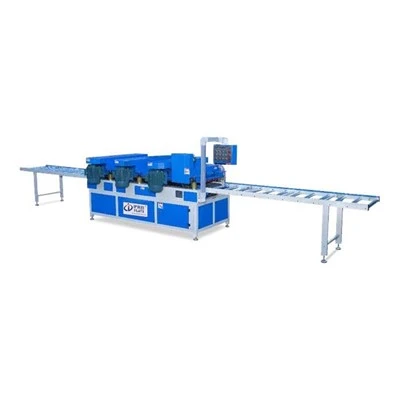
If you’re ready to learn more about how our after-sales services can support your next construction project, we’d love to connect. Our team has the expertise, stock, and commitment to keep your aluminum formwork machinery running smoothly, so you can focus on what you do best: building.
Other Supporting Equipment References
- Construction Industry Institute. (2020). Lifecycle Costs of Construction Equipment: A Guide for Contractors and Suppliers. The University of Texas at Austin.
- International Association of Formwork and Shoring Engineers. (2021). Best Practices for Aluminum Formwork Machinery Maintenance and Support.
- Smith, J. (2019). The Hidden Costs of Equipment Downtime in Commercial Construction. Journal of Construction Operations and Management.
- Global Aluminum Extruders Association. (2022). Durability and Performance Standards for Aluminum Formwork Machinery Components.
Foshan Yilaite Machinery Equipment Co., Ltd.
Foshan Yilaite Machinery Equipment Co., Ltd. is one of the most reliable aluminum formwork machinery manufacturers and suppliers in China, featured by quality products and good service. Please rest assured to buy CE approved aluminum formwork machinery from our factory. We also accept customized orders.
Address: No.28, Guangyun Road, Shishan Town, Nanhai District, Foshan City (next to Gaobian Bus Station)
E-mail: Myway18@163.com
WebSite: https://www.yilaitemachine.com/
