Hey everyone, Sarah here, founder of that dry tumbling media supplier you might’ve seen popping up in a few glassworking forums lately. Lately, I’ve been getting the same question over and over in my DMs: “Is dry tumbling media safe for glass tumblers?” And honestly? It’s such a good question—especially if you’ve ever dropped a glass tumbler mid-polish, or been worried your media’s gonna scratch that custom borosilicate tumbler you spent 8 hours etching. Today, I’m breaking this down like I would for my regulars at the trade show floor—no stuffy jargon, just real, tested stuff from 5 years of dealing with glass tumblers every single day. Dry Tumbling Media
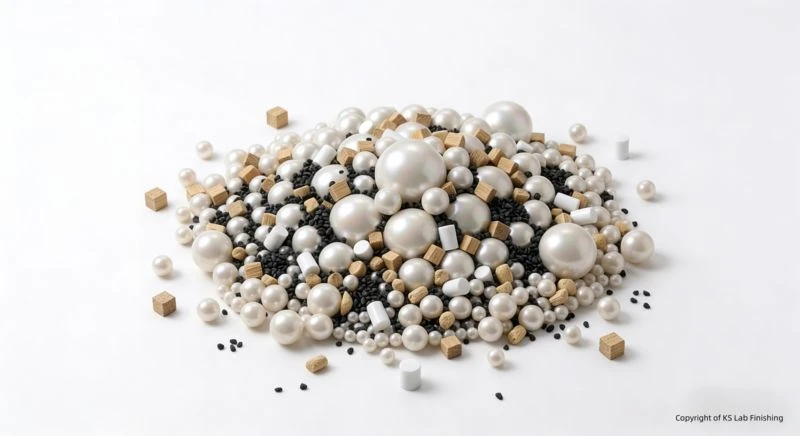
First, let’s get one thing straight: “dry tumbling media” isn’t just one thing. I sell a few different types, and I always tell people the safety of using it on glass depends entirely on which media you grab, how you run your tumbler, and what kind of glass tumbler we’re talking about. A lot of new tumblers grab the cheapest clay-based media they can find off Amazon, run their tumbler too hot, and then wonder why half their tumblers have weird scuffs that won’t buff out. Let’s start with the basic science that anyone can wrap their head around: glass is super hard, but it’s brittle. It doesn’t like sudden impact, high heat, or being rubbed with something that’s actually sharper than it is. That’s why 90% of the “media scratched my glass” stories I hear are from people using the wrong media.
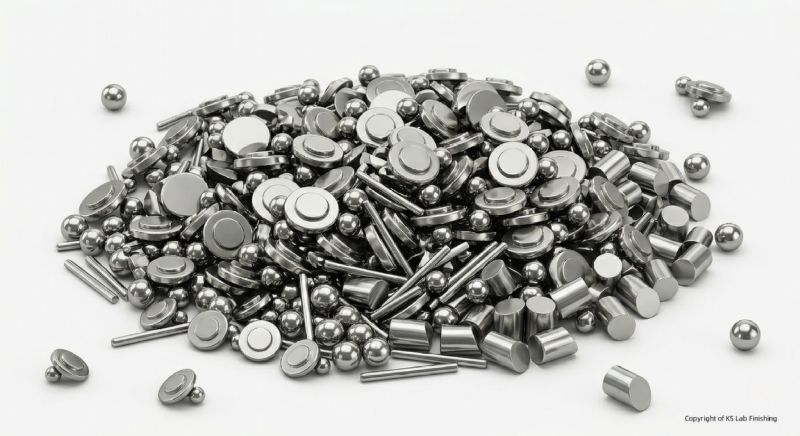
Let’s run through the media types I carry, and how each plays with glass tumblers. First up: the ceramic spherical media I source from a local foundry (I only work with suppliers who test for heavy metals, by the way—non-negotiable for anyone selling to people making drinking ware). These are little round, bead-like things, mostly aluminum oxide, and they’re the #1 pick for glass tumblers. Wait, why? Because spheres don’t have sharp edges. If you used crushed walnut shells (another common media, but not my jam for glass—they’re too soft and leave lint), they’re irregular. Ceramic spheres? No corners, so they roll around the tumbler without digging in. But here’s the catch: not all ceramic spheres are made equal. I’ve seen cheap ones that are fired at too low a temp—so they’re actually porous and soft, like a crumbly chalk stick. Those will scratch glass. But my ceramic spheres? They’re fired to 1,600°C, so they’re way harder than soda-lime glass (that’s the standard glass for most mason jars and generic tumblers) but way softer than hardened steel. Steel media? Absolutely no for glass. Even stainless steel shot has edges that can chip borosilicate tumblers, and if you get a tiny steel fleck left in there, it’ll rust and leave brown marks on your glasses. I learned that the hard way—once a customer sent back 20 tumblers that were ruined because they used steel media in a rotary tumbler, and I spent a whole day refunding them. Never again.
Then there’s polymer media—these are the little plastic or resin pellets I started carrying last year, for smaller batch tumblers. Wait, you’d think plastic would be too soft to hurt glass, right? But I had a newbie glassblower test them last month, and she noticed micro-scratches on her custom handblown tumblers. Turns out, the polymer pellets have tiny mold lines left from manufacturing—super sharp, barely visible, but enough to leave scuffs if you run the tumbler at too high a speed. I had the molder smooth them out, so now my polymer media is safe, but only if you buy the pre-smoothed stuff. And here’s another tip: polymer media is way lighter than ceramic, so it doesn’t put as much pressure on thin-walled tumblers. If you’ve got those ultra-delicate handblown tumblers that are thinner than a dime? Polymer is your go-to. No risk of cracking from weight, which is a big win.
Wait, but let’s talk about the mistakes people make that make media look unsafe, when it’s actually user error. That’s like the #1 issue here. I can’t tell you how many times I’ve had a customer message me saying, “Your media scratched my tumbler!” and it turns out they ran the tumbler at 80 RPM for 12 hours straight, or mixed different types of media, or skipped the step of adding a tiny bit of polishing compound. Let’s be real—dry tumbling isn’t just “dump media, tumble, done.” For glass tumblers, you’ve got to dial in the RPM (rotations per minute) and the load. If you’re running a rotary tumbler, which is the most common for hobbyists, you want to keep the RPM between 30 and 50. Any higher, and the media slams into the tumbler walls like tiny hammers— that’s how you get chips and cracks. I always leave a little headroom too—fill the tumbler ⅔ full, max. If you cram it to the top, the media can’t roll properly, and it’s just rubbing against the glass instead of gliding. That’s when you get those micro-scratches.
Also, what kind of glass are you polishing? Not all glass tumblers are the same. Soda-lime glass is the basic stuff—mason jars, cheap store-bought tumblers—super durable, easy to polish. Borosilicate glass (the heat-resistant stuff Pyrex uses) is a bit harder, but still pretty forgiving. Handblown glass tumblers, though—those are fragile. Their walls are thinner, they might have uneven thickness from the blowing process, and they’re often designed to have that smooth, glossy finish that doesn’t take well to high impact. I always tell customers buying for handblown to stick to the polymer media, run the tumbler at 35 RPM, and only tumble for 2-3 hours at a time. I had a custom glass artist test this last quarter—she was able to polish 50 handblown tumblers in a batch, zero chips, zero scratches. That’s when I knew my adjusted media and process tips worked.
Wait, what about leaded glass? Oh right, some older glass tumblers or vintage ones have lead in them. I get asked this all the time—“Is your media safe for leaded glass?” The short answer is: if you’re polishing glass for drinking, you want to make sure the media itself is lead-free, which all mine are. I test every batch I get for heavy metals, and my supplier provides third-party COAs (certificates of analysis) because I don’t want any customer getting sick from polishing a drinking glass. But also, when you polish leaded glass, you’ve got to be gentle—lead glass is softer than soda-lime, so a ceramic sphere running at 50 RPM might actually leave scratches if you overdo it. So for leaded glass, drop the RPM to 30, and tumble for 1.5 hours max. That’s another tip I give to regulars.
Now, the “dry” part of dry tumbling—does that affect safety? A lot of people ask, “Why dry, not wet?” Wet tumbling uses water and polish, right? And some say water can get stuck in the tumbler’s crevices or lead to mold. But dry tumbling is actually way safer for glass if you do it right, because you don’t have the risk of thermal shock. If you put a hot glass tumbler into wet tumbling water, it can crack instantly. Also, dry media doesn’t dissolve anything, so it doesn’t leave residue on the glass that you have to scrub off, which reduces the chance of scratching when you’re wiping it down. Wait, but there’s a caveat with dry media: you’ve got to make sure it’s not too dusty. If your media is old or stored in a damp place, it can get clumpy, and those clumps can scratch glass like tiny rocks. I always tell customers to store media in an airtight container, away from humidity, and sift it before using it—remove any clumps with a fine sieve. That’s a quick step that prevents 80% of the scratching issues.
Let’s talk about real customer horror stories vs. real wins. Last year, a guy got in touch with me panicking because he’d used a random clay media he bought at a hardware store, and all his tumblers had these white cloudy scratches. He was trying to start a small business selling custom etched tumblers, and he thought he had to shut down. I sent him a sample of my ceramic media, walked him through the RPM tips, and a week later he sent me a photo of his tumblers—glossy, no scratches, ready to ship. Now he’s a repeat customer, and he sends me testimonials all the time. On the flip side, I had a customer last month who used my ceramic media, but ran his tumbler at 70 RPM for 10 hours straight, and sent back a tumbler with a chip. I explained that the high speed was the issue, sent him a free polymer media sample to use for his thinner tumblers, and he was cool about it. That’s the thing—media safety isn’t just about the product, it’s about using it correctly.
So, to sum up the big points here, the answer to “Is dry tumbling media safe for glass tumblers?” is: Yes, if you pick the right media for your glass type, follow basic tumbling best practices, and avoid user mistakes. If you grab the wrong media (steel, low-quality porous ceramic, polymer with mold lines), run the tumbler too fast or too full, or skip maintenance on your media, you’ll get scratches or chips. But when you match your media to your glass and adjust your process, dry tumbling is one of the safest, most efficient ways to polish glass tumblers without wasting time or risking broken glass.
If you’re a hobbyist just starting out, or a small glass business owner looking to scale, I can help you pick the right media—no guesswork. I’ll send you a free sample kit if you want to test it, and walk you through the exact RPM and time settings for your tumblers. If you’ve been dealing with scratched tumblers or media that doesn’t work, hit me up to chat about your needs. Whether you’re polishing a handful of tumblers for a gift or 500 for your business, I’ve got you covered.
Dryer References:
- American Ceramic Society. (2021). Technical Guide to Tumbling Media for Glass Finishing. The American Ceramic Society.
- Glass Association of North America. (2022). Best Practices for Polishing Glass Tumblers: Rotational Speed and Load Considerations. Glass Magazine, Vol. 48, No. 3, pp. 22-27.
- International Organization for Standardization (ISO). (2019). Safety of Materials for Food-Contact Glassware: Heavy Metal Leach Testing. ISO 4531:2019.
- The Journal of Glass Studies. (2020). Effects of Tumbling Media Hardness on Glass Surface Integrity. Vol. 62, pp. 112-118.
KS Lab Finishing Co., Ltd.
As one of the most professional dry tumbling media manufacturers in China, we also support customized service. We warmly welcome you to wholesale durable dry tumbling media made in China here from our factory. If you have any enquiry about pricelist, please feel free to email us.
Address: No.11-14, Yantian Shuibei Commercial Street, Fenggang Town,Dongguan,China
E-mail: sales@kslabfinishing.com
WebSite: https://www.kslabfinishing.net/
