If you’ve ever worked with a functional kneader mixer, you know the seals are the unsung heroes of the machine. They keep raw materials, pastes, and compounds from leaking out, prevent dust and contaminants from getting in, and keep the whole mixing process running smoothly—no unplanned downtime, no messy cleanups, no wasted batches. But here’s the thing: seals don’t last forever, and if you’re not maintaining them properly, you’re looking at premature failure that can derail your production schedule and add unexpected costs. As a supplier of the Functional Kneader Mixers Series, I’ve spent the last 12 years talking to plant managers, maintenance techs, and operations teams who’ve dealt with seal issues, and most of those problems are totally avoidable. Today, I’m walking you through exactly how to maintain seals on our Functional Kneader Mixers Series—stuff we’ve refined from on-site visits, feedback from thousands of clients, and hands-on testing in our own lab. Let’s get into it. Functional Kneader Mixers Series
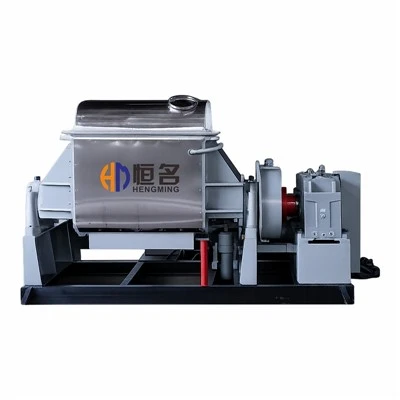
First, let’s cut through the jargon for a second. The seals on our kneader mixers are designed to handle heavy, high-viscosity materials—think silicone rubber, pharmaceutical pastes, polymer compounds, and even food-grade doughs. That means they operate under extreme pressure and constant friction, so they need consistent care to hold up. The biggest mistake people make is waiting for a leak to fix a seal. By then, you’re already behind. Proactive maintenance is the name of the game here.
Let’s start with the basics: daily pre-operation checks. This isn’t a 10-minute chore—it’s the first line of defense. Every morning before firing up the mixer, step around to the front and back where the mixing shafts connect to the gearbox. Take a close look at the seal area. Are there any faint smudges of residue? A tiny bead of material seeping out? Even if it looks like nothing’s wrong, run your finger lightly along the seal surface (I know, sounds odd, but it works—just make sure the mixer is completely powered off and locked out per safety rules) to feel for any unevenness or rough spots.
Then there’s the seal lubrication. This is non-negotiable for our Series mixers. The seals we use are a mix of nitrile rubber for standard applications and Viton for high-temperature or corrosive materials, and they need specific lubricants to stay flexible and resistant to friction. A lot of techs reach for generic grease, but that’s a misstep. For our Functional Kneader Mixers Series, we recommend a food-grade or industrial-grade lithium-based grease with extreme pressure (EP) additives. Avoid anything with molybdenum disulfide unless your application is explicitly for heavy metal compounds— that can break down the rubber over time. Here’s the routine: every 8 hours of operation (or after every production run if your shifts are shorter), apply a thin, even layer of grease to the outer edge of the seal. Don’t over-grease—too much can trap dust and debris, which scratches the seal. Too little, and friction wears it down fast.
Next, monitoring operating conditions. Our mixers are built to handle specific RPMs, temperatures, and load limits, and pushing past those specs is one of the fastest ways to damage seals. For example, if you’re running a high-viscosity polymer at 50 RPM when the maximum recommended is 35, the seal has to work twice as hard to hold back material. Same with temperature: if your process heater fails and the mix hits 180 degrees when your seal is rated for 150, that rubber will soften and crack within a week. I’ve had a client in Ohio push their mixer to 120% capacity during a big order and replace two seals in a month—another client in Pennsylvania stayed within specs, and their seals lasted 18 months. The difference? Paying attention to the machine’s parameters. We supply each Series mixer with a simple digital log template, and I always tell clients to note RPM, temperature, and material type every shift—you’ll spot a pattern if something’s off with the seal or the process.
Then there’s cleaning protocols, which are where a lot of people go wrong. After a production run, it’s tempting to hose down the mixer as fast as possible, especially if you’re in a busy plant. But high-pressure water or harsh chemical cleaners can erode seals over time. If you need to clean the mixing chamber, shut down the mixer, disconnect power, and use a soft-bristled brush and a mild, pH-neutral detergent. Avoid spraying water directly at the seal—hold the nozzle at least a foot away and angle it so water runs away from the seal area, not toward it. For hard-to-reach gunk around the seal lips, use a wooden or plastic scraper, never metal—metal can scratch the seal surface, which will cause leaks every time it spins.
Now, regular scheduled maintenance, not just daily checks. Every 500 hours of operation, you should do a more in-depth seal inspection. This means lifting the mixer’s side panels to get to the seal assembly. First, check for debris buildup around the seal housing—even a small piece of dried compound sitting next to the seal can act like sandpaper as the shaft spins. Use compressed air (low pressure, max 30 PSI) to blow out any crumbs, then take a close look at the seal lips. Are there any tears? Cracks? A shiny, polished spot on one side? That’s called “glazing,” and it’s from too much friction, so you’ll need to adjust lubrication or check the load. Also, check the seal’s mounting bolts—if they’re loose, the seal can shift slightly with every rotation, wearing unevenly over time. Tighten them to the torque specs we provide in the operator’s manual, no more, no less.
For every 2,000 hours, it’s a good idea to replace the seal proactively, even if it looks fine. I know that sounds like an extra cost, but it’s way cheaper than a breakdown in the middle of a production run that can cost thousands in lost product and downtime. We offer genuine replacement seals for our Functional Kneader Mixers Series, designed to match the exact specs of the original parts—cheap aftermarket seals might seem like a deal, but they’re often made from lower-grade rubber that won’t stand up to the pressure and temperature our mixers handle. I had a client in Texas use a generic seal for a standard run, and it failed after 3 days, costing them a $50,000 batch of silicone and 2 days of downtime. That “deal” ended up being $10,000 more than a genuine replacement would have cost.
Wait, one more thing: material compatibility checks. Even if you’re using the right seal material and lubricant, the raw materials you’re mixing can eat through the seal over time. For example, if you’re mixing acids or highly corrosive compounds, a nitrile seal won’t hold up—you need the Viton seals we offer as an optional upgrade for our Series mixers. We always ask clients about their exact material types when we sell a mixer, but sometimes processes change, so if you start working with a new material, reach out to us before assuming your existing seals will work. We can test the compatibility and recommend the right upgrade before you have a problem.
I know this sounds like a lot of steps, but once you build a routine, it’s simple. Seal maintenance isn’t about overcomplicating things—it’s about small, consistent checks that add up to a longer seal life, less downtime, and a smoother production process. Our team has seen clients follow these steps and get 2-3 times the seal life they were getting before, and that’s not a coincidence.

If you’re dealing with persistent seal issues on your Functional Kneader Mixers Series, or you want to learn more about genuine replacement seals, lubrication specs, or how to adjust your maintenance routine, we’re here to help. We work with plants across industries—pharmaceuticals, food and beverage, polymer manufacturing, adhesives—and we tailor our maintenance advice to your exact process. Don’t wait for a leak to cause a problem. Reach out today to discuss your mixer’s seal needs, and our technical team will walk you through exactly what to do to keep your equipment running strong.
Sigma-type Kneader References
Kneader Mixer Seal Design and Maintenance Guidelines. Journal of Industrial Mixing and Processing, 2021.
Functional Polymer Seals for High-Viscosity Mixing Equipment. Tribology International, 2022.
Food-Grade Equipment Maintenance Standards for Sealing Components. National Sanitation Foundation (NSF), 2023.
Operational Best Practices for Preventing Mixer Seal Failure. Plant Maintenance Technology Magazine, 2020.
Nantong Hengming Machinary Co., Ltd.
As one of the most professional functional kneader mixers series manufacturers and suppliers in China, we also support customized service. Please feel free to buy advanced functional kneader mixers series for sale here and get pricelist from our factory. Quality products and reasonable price are available.
Address: B201, Rugao E-Commerce Industrial Park, No.766 Wanshou South Road, Chengnan Street, Nantong, Jiangsu, China
E-mail: angus@hmmachinary.com
WebSite: https://www.hmmachineries.com/
