If you’ve ever purchased talc for industrial, cosmetic, or pharmaceutical use, you might not give much thought to what happens between when it leaves the quarry and when it lands in your warehouse, lab, or production line. As a talc supplier with over 18 years in this industry, I’ve seen firsthand that proper storage isn’t just a behind-the-scenes detail—it’s what keeps the quality of your talc consistent, meets regulatory standards, and avoids costly mistakes. I’ve walked our storage yards at 2 a.m. during summer storms, checked humidity levels in our climate-controlled bulk silos, and learned the hard way that cutting corners on storage can ruin a perfectly good batch of talc. Today, I want to pull back the curtain on how we store talc, why each step matters, and what you should look for when vetting a talc supplier’s storage practices. Talc
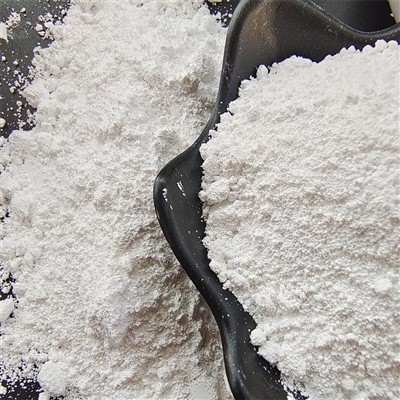
First, let’s start with what talc is, because its unique properties shape every storage decision we make. Talc is a soft, metamorphic mineral made of hydrated magnesium silicate, prized for its softness, oil absorption, low abrasion, and chemical inertness. But those same qualities make it sensitive to two things: moisture and contamination. Unlike hard minerals, talc particles can clump if exposed to even small amounts of water, and it can absorb odors or particulate matter from the air if not sealed properly. It’s also highly fine—when stored incorrectly, talc dust can become an inhalation hazard, and lost dust means lost product for both the supplier and the customer. These factors are why storage for talc isn’t one-size-fits-all; it changes based on the grade of talc, its end use, and the quantity we’re holding.
Let’s break it down by grade, because that’s where most suppliers get storage wrong. The three main talc grades are industrial, cosmetic, and pharmaceutical, and each has strict requirements that go beyond basic shelf stability. Industrial talc, used in things like plastic fillers, paint extenders, and roofing materials, is the most voluminous grade we handle—we routinely stock it in bulk quantities ranging from 10-ton supersacks to 5000-lb bulk truckloads. For industrial talc, our first line of defense is moisture control. We don’t leave supersacks or loose talc exposed to open air; even a single summer thunderstorm that leaks through a loading dock door can add 2% moisture to a batch, which makes it unfit for use in plastic, where clumps cause surface defects. Our bulk storage silos for industrial talc are lined with food-grade (though industrial-grade is also common, we opt for food-grade for versatility) polyethylene and sealed with pressure-relief vents to prevent moisture buildup. We also install calibrated humidity sensors in every silo—we shoot for a relative humidity of less than 40% in our main storage facilities, and our control team checks these readings every hour, 24/7. If a sensor flags a spike, a team member is dispatched within 30 minutes to inspect the silo, check for seal damage, or adjust the dehumidification system.
Then there’s cosmetic-grade talc, the grade used in face powders, body sprays, and baby products. This is where storage gets even more precise, because cosmetic talc has to meet strict purity standards—no trace of heavy metals, no foreign particulate matter, and a consistent particle size. We store cosmetic-grade talc in dedicated segregated warehouses, separate from industrial talc, to avoid cross-contamination. Even the forklifts used to move cosmetic talc are marked with color-coded stickers so our team never accidentally uses one that was just used for industrial material. Cosmetic talc is also packaged in 25-lb sealed paper bags with polyethylene liners, not just supersacks, because the paper adds an extra layer of protection against both moisture and external contaminants. We test every incoming bag for seal integrity before it even hits the shelf—if a single bag has a pinhole, we quarantine it immediately, because even a tiny breach can lead to moisture damage or dust contamination. One of the worst calls I ever got was from a cosmetic customer whose talc had a faint chemical smell; we traced it back to a broken pallet wrap that had allowed the talc to absorb fumes from a nearby batch of cleaning supplies in a shared warehouse. That mistake led us to implement dedicated, fully enclosed storage for our cosmetic-grade material, with negative air pressure to prevent any cross-contamination from outside fumes.
The most heavily regulated grade is pharmaceutical talc, used in things as varied as pharmaceutical excipients (tablet fillers) and surgical dusting powders. This grade isn’t just stored in warehouses—it’s stored in climate-controlled, air-locked clean rooms, designed to meet cGMP (current Good Manufacturing Practices) standards set by the FDA and global regulatory bodies like the EU’s EMA. Our pharmaceutical storage areas are kept at a constant temperature of 20°C (68°F) and 40% relative humidity, with gowning required for any personnel entering to prevent skin oils, hair, or clothing lint from contaminating the talc. Every batch of pharmaceutical talc is stored in stainless steel drums with double-sealed EPDM gaskets, and each drum is labeled with a unique batch number, expiration date, and chain of custody traceability code. We also keep separate records for each drum, tracking when it was received, when it was stored, and when it was moved to production—this is non-negotiable for pharmaceutical customers, who need to be able to trace every grain of talc back to its original source in case of a recall. I once had a pharmaceutical client pass on a different supplier because they didn’t have dedicated clean room storage for their talc; they said even a single speck of industrial talc could ruin an entire batch of tablets, and that risk wasn’t worth taking.
Beyond grade, the type of storage depends on how long we hold the talc. Most industrial and cosmetic talc is turned over within 30 to 90 days, but pharmaceutical talc can be held for up to two years under the right conditions. For short-term storage, we use supersacks and paper bags, but for long-term bulk storage, we use sealed silos with nitrogen padding in some cases—nitrogen displaces oxygen in the silo, which prevents oxidation and further reduces moisture absorption. We also implement a strict first-in, first-out (FIFO) inventory system, so older batches are used before newer ones, to ensure every customer gets talc that’s within its shelf life. A few years ago, we had a batch of industrial talc that was accidentally stored in the back of a warehouse for six months longer than intended; when we tested it, we found it had absorbed 1.5% more moisture than it should have, making it unfit for plastic production. We worked with a local recycling partner to repurpose it into a non-abrasive filler for road patching, but that cost us both time and money—and taught us a valuable lesson: inventory rotation is as important as the storage environment itself.
Contamination control is another big part of talc storage that most customers don’t hear about. Talc is a fine particulate, so it’s easy for it to pick up dust, odors, or even other minerals if not stored correctly. All of our storage surfaces, from silo floors to warehouse walls, are finished with non-porous epoxy or stainless steel, so they can be pressure-washed and sanitized regularly. We also use HEPA filters in our clean rooms and main warehouses to filter incoming air, capturing any particulate matter larger than 0.3 microns that could contaminate the talc. Even our loading docks are covered with vinyl canopies to protect material from rain, snow, or wind-blown dust during transfer. I’ve seen competitors store bulk talc in open piles under tarps, but that’s a recipe for disaster—tarps can tear, letting moisture and dirt in, and open piles risk cross-contamination from even a single leaf blowing onto the pile, which could be fatal for a pharmaceutical grade.
Now, what does this mean for you, as a customer looking to buy talc? When you’re evaluating a supplier, don’t just ask about their mining process or their particle size distribution—ask to see their storage facilities. Check if they have segregated areas for different grades, if they have humidity and temperature controls in place, and if they can provide documentation of their storage conditions and inventory rotation practices. For cosmetic or pharmaceutical customers, ask about their contamination control protocols, their chain of custody records, and what happens if a batch is damaged during storage. A reputable supplier will be happy to show you their facilities and answer these questions, because they know good storage is as much a part of delivering quality talc as the mining and processing steps.
At the end of the day, talc is a simple mineral, but its storage is anything but simple. For our team, every hour we spend monitoring humidity, every dollar we invest in clean room infrastructure, every protocol we put in place to prevent cross-contamination, isn’t just overhead—it’s how we deliver talc that our customers can trust. We’ve built our business on consistency over the last 18 years, and that starts in our storage yards, not just at the quarry.

If you’re looking for a talc supplier that prioritizes proper storage and quality at every step, we’d be happy to discuss your specific needs. Whether you need industrial talc for manufacturing, cosmetic-grade for personal care products, or pharmaceutical-grade for medical applications, our team can work with you to find the right grade and storage solution for your operation. Reach out to our sales team to learn more about our current inventory, quality testing protocols, and how we can support your supply chain.
Volcanic Rock References
- International Talc Association. (2022). Talc Storage and Handling Best Practices. Retrieved from industry safety and quality guidelines.
- U.S. Food and Drug Administration. (2021). Current Good Manufacturing Practices (cGMP) for Dietary Supplements and Pharmaceutical Excipients.
- European Chemical Agency. (2020). Guidance on the Storage and Transport of Industrial Minerals for Industrial Use.
- American Society for Testing and Materials. (2019). Standard Guide for Storage of Non-Metallic Industrial Minerals.
- World Health Organization. (2018). Guidelines for the Safe Storage and Handling of Talc for Pharmaceutical Applications.
Lingshou County LM Mineral Products Co., Ltd.
As one of the most professional talc manufacturers and suppliers in China, we’re featured by quality products and good service. Please rest assured to buy customized talc made in China here from our factory. Contact us for more details.
Address: Dongzhuang Village, Nanyanchuan Township, Lingshou County, Shijiazhuang City, Hebei Province
E-mail: lmwtwz@163.com
WebSite: https://www.lmwtz.com/
