If you’ve ever worked with pressure systems—whether it’s a steam boiler, a pipeline carrying high-pressure gas, a hydraulic machine in a factory, or even a water heater in your house—you’ve probably heard the term “safety valve” thrown around. But let’s be real, most people (and even a lot of folks who work with these systems day-to-day) don’t stop to think: what actually is the point of this little (or sometimes not-so-little) piece of metal? As a supplier of these bad boys, I’ve spent way too many hours explaining this to clients who thought it was just a “backup part” to grab if something broke. Spoiler: it’s way more critical than that. Safety Valve
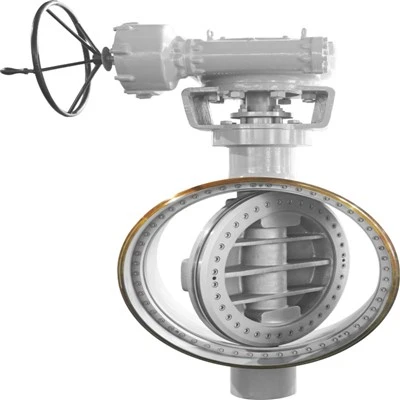
First off, let’s cut the jargon. A pressure system is anything that holds or moves a fluid (liquid or gas) at a pressure higher than atmospheric pressure, right? Like, a car’s air conditioning system is a tiny pressure system, and a refinery’s crude oil pipeline is a giant one. Every single one has a maximum safe pressure it can handle. If that pressure goes over that limit? Things start to go wrong—fast. Pipes can burst, tanks can rupture, parts can blow apart. And when that happens, it’s not just a broken part. You could get fires, explosions, toxic leaks, or even people getting hurt. That’s where the safety valve comes in. It’s the system’s last line of defense against a catastrophic failure. Let me break that down.
Think of it like a pressure cooker on your stove. You’ve got that little metal valve on top that jiggles when the pressure gets too high. If that valve didn’t exist, what would happen? The steam would build up, the cooker would probably explode all over your kitchen. A safety valve does the same thing, but for industrial, commercial, or even large residential pressure systems—only way more reliable. It’s a mechanical device that opens automatically when the system pressure hits a pre-set limit, releases a little bit of fluid to bring the pressure back down, then closes back up when things are safe again. No manual input needed (well, except for regular testing, which I’ll get to later).
But wait—why not just design the system to handle all pressure scenarios? That’s a question I get a lot, and it’s a good one. The reality is, pressure systems are subject to all kinds of unplanned events. A boiler might have a faulty thermostat that makes it heat more water than it should. A pipeline might get blocked, so pressure builds up behind the blockage. A hydraulic machine might have a pump that runs amok, pushing more fluid than the system can hold. You can’t account for every single glitch in the design, and even if you could, building a system that’s “bulletproof” for every possible pressure spike would be super expensive. It would add weight, cost more upfront, and be harder to maintain. The safety valve is a cost-effective, fail-safe way to cover those unexpected, rare—but very dangerous—events.
Another big one: compliance. A lot of industries have rules set by government agencies or industry groups about pressure safety. Like, in the U.S., OSHA (Occupational Safety and Health Administration) has standards for pressure systems, and ASME (American Society of Mechanical Engineers) sets codes for valve design. If you’re running a factory or a refinery, skipping a proper safety valve isn’t just risky—it’s illegal. I’ve had clients come to me after a regulatory inspection flagged their old, worn-out valves, and they had to scramble to replace them. That’s a avoidable headache if you just get the right valve in the first place.
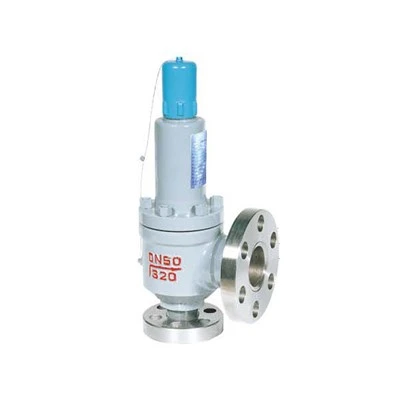
Now, not all safety valves are the same, right? That’s why as a supplier, we spend so much time matching the right valve to the right system. You don’t use a tiny 2-inch valve on a 48-inch refinery pipeline, and you don’t use a high-temperature valve for a cold-water system. Let’s talk about the different types to make this concrete. There’s the spring-loaded safety valve—super common, works by a spring pushing a disc against the valve seat. When pressure exceeds the spring’s set force, the disc lifts, releases fluid, then the spring pushes it shut again. Then there’s pilot-operated safety valves, which use a small pilot valve to control the main valve—good for larger systems where a spring alone might not be strong enough. And there are relief valves, which are similar but open incrementally instead of popping all the way open at once, which is useful for systems that can handle gradual pressure release without a big jolt.
Here’s a thing a lot of people don’t mention: safety valves aren’t just for big industrial stuff. I recently worked with a client who runs a large commercial laundry with steam boilers. They thought their old valve was fine, but when they tested it, it only opened at 10% over the set pressure—way too late. A pressure spike had almost burst the boiler, which would have shut down their operation for days (not to mention the safety risk to their workers). That’s a perfect example: even for smaller systems, the valve has to work when you need it. And testing? Yeah, you can’t just install it and forget it. Valves can get clogged with debris, springs can wear out, seals can leak. That’s why we always tell clients to schedule quarterly or annual tests—either manual (like popping the valve a little) or automated, depending on the system. A valve that doesn’t open when it’s supposed to is just a paperweight.
Let’s get into a real-world example. A few years back, there was a incident at a food processing plant where a large steam boiler exploded. The investigation found that the safety valve had been disabled because it was “leaking” too much. The plant managers thought they could just ignore it, and they removed it. When the boiler’s pressure got too high, there was nothing to stop it—so it ruptured, killing one worker and shutting the plant down for six months. That’s why we’re so passionate about this stuff. It’s not just selling a product; it’s making sure people go home safe at the end of the day.
Now, let’s bust a common myth: some people think a safety valve is a “set it and forget it” part. Nope. It’s a critical component that needs to be sized correctly, installed right, and maintained. Sizing is huge. If your valve is too small, it can’t release enough fluid fast enough to lower pressure, so you still get a rupture. If it’s too big, it might open too often, wear out quickly, or cause pressure fluctuations that mess up the system’s operation. That’s where our team comes in—we don’t just sell you a valve; we ask you questions: what’s your system’s working pressure? What fluid are you handling? Is it for steam, gas, liquid? What’s the maximum pressure spike you might encounter? All that info helps us pick the right valve.
Another point: environmental protection. If a pressure system has a toxic or flammable fluid, a safety valve isn’t just about preventing explosions—it’s about preventing leaks. A burst pipeline with a chemical leak can contaminate water supplies, harm wildlife, and cost millions in cleanup. A properly working safety valve releases just enough fluid to lower pressure, so you don’t get that full rupture. That’s a big part of our purpose too—helping clients stay compliant with environmental regulations.
Wait, what about residential systems? Most homes have a water heater with a temperature and pressure (T&P) relief valve. That’s a type of safety valve! If your water heater’s thermostat goes bad and heats the water too much, pressure builds up. The T&P valve opens, releases hot water, and keeps your water heater from exploding. I’ve seen old water heaters that rusted out because the T&P valve was clogged, and they would have burst if not replaced. So even in your own home, a safety valve is keeping you safe—you just might not have noticed it.
Now, let’s talk about what makes a good safety valve supplier. A lot of places will sell you the cheapest valve, but that’s a bad call. Cheap valves might not be built to handle the pressure or the temperature of your system. They could have weak springs, flimsy seals, or be made from materials that corrode quickly. We test every valve we sell—we put them through pressure tests, temperature tests, make sure they open and close exactly when they’re supposed to. We also offer custom sizing and advice, because every system is different. You don’t want to be stuck with a valve that doesn’t work when you need it most.
I get it, safety valves aren’t the flashiest part of a pressure system. Most people don’t even see them unless something goes wrong. But think about it: every time a pressure system runs without incident, there’s a safety valve working in the background, doing its job. It’s the unsung hero of industrial, commercial, and even residential safety. Without it, we’d have way more explosions, leaks, and accidents. That’s why we take pride in what we do. We’re not just selling a metal part—we’re selling peace of mind for our clients, and we’re helping keep workers, families, and the environment safe.
Ball Valve So, if you’re working on a pressure system, whether it’s a new install, a replacement part, or you need to upgrade a faulty valve, don’t cut corners here. A safety valve that works is worth every penny, and one that doesn’t can cost you way more—financially, and in safety. Our team is here to help you figure out exactly what you need, answer all your questions, and make sure you’ve got a valve that will stand up to whatever your system throws at it. If you’re looking to replace an old valve, or you’re designing a new system and need to make sure you’re covered, get in touch with us to talk through your requirements. We’re here to make pressure systems safer, one valve at a time.
References
- ASME Boiler and Pressure Vessel Code, Section VIII: Pressure Vessels (ASME International)
- OSHA Standard 1910.119: Process Safety Management of Highly Hazardous Chemicals (Occupational Safety and Health Administration)
- "Safety Valves: Design, Selection, and Maintenance Guidelines" (API Standard 520, American Petroleum Institute)
- "Pressure Relief Devices: Fundamentals and Applications" (John Wiley & Sons, 2021)
- Occupational Safety and Health Administration (OSHA), "Process Safety: Safety Valves" (OSHA Publication 3412-07R-2020)
Wenzhou Starry Valve Co., Ltd.
Wenzhou Starry Valve Co., Ltd. is one of the most professional safety valve manufacturers and suppliers in China, also supports customized service with low price. Please feel free to buy the newest safety valve made in China here from our factory. Welcome to contact us for pricelist.
Address: No.4900, 3rd Road, Binhai Industrial Park, Wenzhou Economic & Technological Development Zone, Wenzhou City
E-mail: starryvalves@163.com
WebSite: https://www.starryvalves.com/
