If you’re working at a power plant, cement factory, or any industrial site that runs a flue gas desulfurization (FGD) system, you know your FGD pump is the unsung hero keeping emissions within limits. But if you’re new to handling FGD pumps, firing one up can feel a little tricky—especially if you’ve only worked with plain water pumps before. As an FGD pump supplier, I’ve walked dozens of plant ops teams through this process, and I’m here to break it down simply, no fancy jargon, no step-skipping. Let’s get into it. FGD Pump
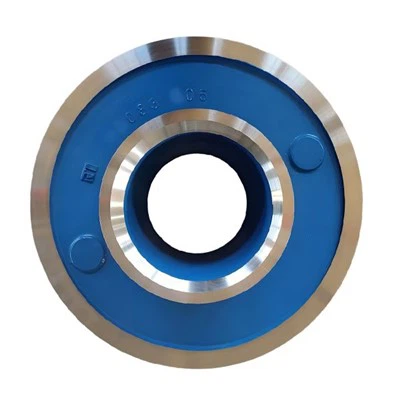
First, let’s clarify what an FGD pump does, because that context matters. Unlike a regular water pump, FGD pumps handle slurry—think a mix of water, limestone (or lime) powder, and that cruddy scrubber sludge from the flue gas cleaning process. This slurry is corrosive, abrasive, and way thicker than plain water, so cutting corners on startup checks will lead to clogs, worn impellers, or even pump failure down the line. That’s why the first rule of FGD pump startup is: never skip pre-checks.
Wait, I should also note—this guide is for standard horizontal centrifugal FGD pumps, which are the most common in industrial scrubber systems. If you’ve got a vertical sump pump, tweak a couple steps, but most of this still applies. Let’s start before you even touch the power button.
Step 1: Do the Pre-Startup Checks (Don’t Skip This, Seriously)
I’ve seen too many teams rush startup just to get the scrubber running, then end up with a pump stuck solid or a leak that takes 8 hours to fix. These checks take 10 minutes, max, and they’re non-negotiable.
First, check the pump’s casing. FGD slurry loves to sit and harden when it’s not moving, so if the pump’s been idle for more than a few hours, there’s a good chance old sludge is caked in the impeller or volute. Stick a long screwdriver or a specialty impeller wrench into the pump’s access port and manually turn the impeller. It should spin smooth, no grinding, no resistance. If it’s stuck, don’t force it—you’ll break the impeller. Instead, flush the pump with clean water first to loosen the dried slurry, then try turning it again. If that doesn’t work, you’ll have to disassemble the casing, which is a hassle, but way better than frying the motor.
Next, check the seal water system. FGD pumps use mechanical seals (or sometimes gland seals) that need a constant flow of clean water to cool and lubricate them. No seal water = seal damage = slurry gets into the motor, and that’s a total rebuild job. Verify the seal water valve is open, the pressure is in the manufacturer’s recommended range (usually 20-30 PSI, but double your pump’s manual—don’t guess), and the line isn’t clogged with scale. I’ve had a few customers call us panicking because their seal water line got plugged with rust from the plant’s pipework; a quick check before startup avoids that.
Then, check the lubrication for the pump’s bearings. Most FGD pumps have oil-lubricated bearings, some have grease. If it’s oil, pull the level gauge—should be between the min and max lines, no milky color (milky oil means water’s gotten in, which will wreck bearings fast). If it’s grease, make sure the grease zerk is accessible and you’ve got the right type of grease (usually lithium-based for industrial pumps—don’t use regular automotive grease, it’s not resistant to slurry corrosion).
Last, confirm the suction and discharge valves. Wait, this is a big one: for centrifugal pumps, you always close the discharge valve before starting the pump. Why? Because FGD pumps draw a lot of amperage when starting, and opening the discharge valve first will spike the motor current, which can trip the breaker or burn out the motor. The suction valve should be fully open—you need a steady flow of slurry coming into the pump to prime it, right? We’ll talk priming next.
Step 2: Prime the Pump (This Is Make-or-Break)
FGD pumps don’t self-prime like some small water pumps. They need to be full of slurry (or at least water, to prime first) to start, otherwise the impeller will spin in air, overheat, and wear out in days. So priming is critical.
How to prime it correctly: First, make sure the suction line is filled with liquid. Some pumps have a priming port on top of the casing—open that, pour clean water (or even the limestone slurry, if you’ve got it ready) in until liquid flows out of the port and there are no air bubbles. Close the priming port tightly—if it leaks, air will get in, and the pump won’t build pressure.
Wait, what if your FGD system is set up with a flooded suction? That’s when the slurry tank is higher than the pump, so suction is under positive pressure. Then you might not need to manually prime, but still check the priming port to make sure no air is trapped. Even with flooded suction, a little air lock will kill performance.
A quick tip from our team: if you’re pre-starting the pump after a maintenance shutdown, run a bucket of clean water through the suction line first. It flushes any leftover sludge from the line, so when you prime, you’re not pushing clumps of gunk into the impeller.
Step 3: Start the Pump (Slow and Steady)
Okay, pre-checks are done, pump is primed, discharge valve is closed, suction valve is open. Now you’re ready to flip the power. But don’t just hit the button and walk away.
When you start the motor, watch the ammeter (current gauge) on the control panel. For most FGD pumps, the startup current will spike for 5-10 seconds, then drop down to running current (which is usually 60-80% of the full-load rating). If the spike lasts longer than 15 seconds, shut it off immediately—something’s wrong. Most likely, the impeller is still partially stuck, or there’s air in the suction line, or the seal water pressure is too low. Ignoring that will burn the motor winding, which is a $2k+ repair we see way too often.
Once the pump is running and current is steady, slowly open the discharge valve. Don’t yank it open all at once. Open it a quarter turn, wait 30 seconds, check the discharge pressure (should match the pump’s spec—again, check your manual, but it’s usually around 10-20 PSI for most FGD applications), then open it another quarter turn, and so on until it’s fully open. This gradual opening keeps the current from spiking too much, protects the pump’s impeller from sudden pressure changes, and prevents slurry from sloshing back into the suction line.
As you open the discharge valve, listen to the pump. It should run quiet, no grinding, no rattling. If you hear a hissing sound, that’s air leaking into the suction line—check all connections, the priming port seal, and the suction line gaskets. Rattling means there’s a lot of air in the slurry, which will cause cavitation. Cavitation is a big deal: it’s when bubbles form in the slurry, then collapse violently, eroding the impeller and pump casing from the inside. If you hear that, throttle back the discharge valve a little, check the suction line, and make sure the tank level isn’t too low.
Step 4: Post-Startup Checks (First 30 Minutes Are Key)
I know you’re ready to move on to other tasks, but sticking around for the first 30 minutes after startup will save you from mid-shutdown emergencies. Here’s what to check:
First, seal water flow. Make sure it’s still steady—if it drops, the seal will overheat fast. If you’re using a mechanical seal, you might see a tiny amount of leakage (a few drops per minute is normal), but more than that means the seal is worn, and you should note it for your next maintenance stop.
Next, bearing temperature. The bearings should be cool to the touch (you can use a temp gun if you have one, target is under 180°F/82°C). If it’s hot, that means low oil, wrong oil, or misaligned pump/motor.
Check the pump’s vibration. A little vibration is normal for industrial pumps, but if it’s shaking the entire base, that’s misalignment, a clogged impeller, or worn bearings. Shut it down and check—don’t wait, vibration will wreck the pump fast.
Last, check the scrubber’s performance. If the pump isn’t moving enough slurry, your FGD system’s absorption rate will drop, which means higher sulfur emissions. Check the discharge pressure again, make sure the tank level is consistent, and that there are no clogs in the spray nozzles downstream from the pump.
Common Startup Mistakes We See (And How to Avoid Them)
We deal with FGD pumps every day, so here are the mistakes that come up most, and how to dodge them:
-
Forgetting to open the seal water: As I mentioned earlier, this is the #1 cause of seal failure. A lot of ops teams turn off seal water when the pump is idle, then forget to turn it back on at startup. Set a reminder on your control panel, or add a interlock so the pump can’t start unless seal water pressure is good.
-
Opening the discharge valve too fast: We had a customer last year who opened the discharge valve all the way on a 10-inch FGD pump, tripped the breaker, and burned the motor. It cost them 12 hours of downtime and $3,500 for a new motor. Don’t be that guy.
-
Not checking the impeller before startup: A new customer once had a pump that wouldn’t prime, turned out a tech had left a wrench inside the casing during maintenance. 2 hours of disassembly later, they were back up, but that’s 2 hours they didn’t need to lose. Always do a quick impeller check before firing up.
-
Using the wrong grease for bearings: A small cement plant tried to use generic automotive grease on their FGD pump bearings, and it broke down in 3 months, leading to bearing failure. FGD pumps need a grease that’s resistant to water and slurry chemicals—we can point you to the right type if you’re not sure.

Now, a quick note from my side as an FGD pump supplier: these pumps are built to run 24/7, but only if you treat them right. Rushing startup, skipping checks, or cutting corners on maintenance will cost you way more in the long run than taking those 10 minutes to do it properly. If you’re dealing with repeated startup issues, or your pump is wearing out faster than it should, we can help you size the right pump for your scrubber, or troubleshoot your current setup.
Sand Pump If you’re in the market for a new FGD pump, or need to replace a worn one that keeps failing on startup, reach out to us to chat through your needs. We’ve supplied pumps to power plants, cement mills, and industrial scrubber systems all over, so we know what works for different applications. No pressure, just answering questions and making sure you get the right equipment for your system.
References
- Hesketh, R. P. (2000). Centrifugal Slurry Pumps: Selection, Operation, and Maintenance. CRC Press.
- American Society of Mechanical Engineers (ASME). (2015). FGD System Pump Design and Operation Guidelines. ASME International.
- Fluor Corporation. (2018). Industrial Flue Gas Desulfurization System Maintenance Manual. Fluor Engineering.
- Hydraulic Institute. (2020). Guidelines for Centrifugal Pump Startup and Troubleshooting. Hydraulic Standards Organization.
Shijiazhuang Ruite Pump Co., Ltd.
Shijiazhuang Ruite Pump Co., Ltd. is one of the most experienced FGD pump manufacturers and suppliers in China. Please rest assured to wholesale high quality FGD pump made in China here from our factory. For price consultation, contact us.
Address: Majuan village, Nandong town, Gaocheng, Shijiazhuang, China
E-mail: info@ruitepump.com
WebSite: https://www.rtslurrypump.com/
