What Liquid Is Safe for Stage Effects Machines?
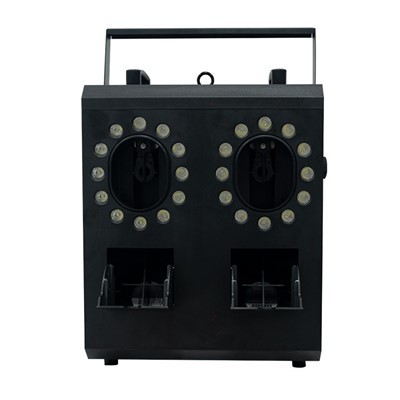
As someone who’s spent the last eight years working as a stage effects machine supplier, I’ve seen firsthand how a single wrong liquid choice can turn a memorable show into a logistical nightmare. I still remember a client call from 2019—they’d bought a fog machine from a discount retailer, mixed in the cheapest available "fog fluid" from a local party store, and halfway through their theater’s opening night, the machine overheated, oozed sticky residue all over their catwalk, and ruined three opening acts’ costumes. The panic on their production manager’s voice? That’s what made me realize how many creators, event planners, and even small production teams don’t have a clear guide to safe, effective stage fluids. If you’re here because you’re staring at a bottle of untested fluid or wondering what’s allowed with your new haze machine, let me walk you through what I’ve learned from thousands of machine installations and client consultations. Stage Effects Machine

First, let’s get one thing straight: there is no "one size fits all" liquid for stage effects machines. The safety and performance of any fluid depend entirely on the machine type, the venue’s rules (especially for smoke-free or health-regulated spaces), and even the audience makeup. I’ve had clients with high school auditoriums (where student allergies are a top concern) and others with industrial warehouses (where ventilation is less of an issue)—each with drastically different needs. But the core principle here is simple: safe stage fluids must be non-toxic, compatible with your specific machine, and compliant with local health and safety standards.
Let’s break down the most common stage effects machines and their approved safe liquids, because mixing the wrong fluid with a machine is where most mistakes happen. Fog machines are the workhorses of stage effects, used for everything from rock concerts to community theater. For these, the only safe liquid is water-based fog fluid. I know there are old-timers who swear by mineral oil-based fog fluid, but let’s be real—mineral oil fluids leave a sticky, tar-like residue that’s impossible to clean off curtains, equipment, or even audience members’ shoes. Worse, they can clog a fog machine’s heating element within a week of use, leading to overheating and the kind of breakdown I saw in 2019. Water-based fog fluids, by contrast, are formulated with a mix of purified water and a small amount of propylene glycol (PG) or vegetable glycerin (VG)—both of which are FDA-approved for food and cosmetic use, so they’re non-toxic when used as directed. I always tell clients to look for fluids labeled "USP-grade"—that means they meet the strict purity standards set by the U.S. Pharmacopeia, so you’re not getting any hidden contaminants that could irritate lungs.
Next up, haze machines, which are different from fog machines in a big way: haze particles are much smaller, designed to catch light beams without creating the thick, dense cloud of fog. For these machines, the same USP-grade water-based haze fluid is standard, but the ratio of PG to VG matters a lot. I recently had a client with a Broadway production where the creative team wanted a crisp, visible beam for a laser light show—we used a high-PG haze fluid, which creates smaller particles that don’t hang around too long, so they didn’t block the laser’s precision. Another client, a DJ doing a long festival set, needed a haze that would last for hours without needing top-ups, so we went with a higher-VG blend. The key here is that while both are safe, matching the PG/VG ratio to your use case ensures the fluid is effective and doesn’t leave residue on cameras, microphones, or set pieces. One word of caution: never use pure glycerin in a haze machine, even though it’s non-toxic. Pure glycerin is too thick, so it can gum up the machine’s nozzle and require expensive repairs. I’ve seen clients try it to save a few bucks, and the machine ended up out of service for three days—costing them more in downtime than they would have spent on the right fluid.
Then there’s dry ice effects, which are super popular for spooky Halloween events or dramatic entrances. Here, the "liquid" is actually liquid carbon dioxide (CO2), not a mixable fluid, but it’s still critical to use it safely. A lot of new event planners don’t realize that dry ice is extremely cold (-109.3°F), so it can cause frostbite if it touches skin, and when it’s mixed with water to create fog, it displaces oxygen in enclosed spaces. The safe use rule here is simple: only use dry ice in well-ventilated areas, never seal a space with dry ice fog, and make sure your team knows to keep it away from small children and pets. I always include a safety sheet with every dry ice machine I sell, and I walk new clients through ventilation requirements—we had a client in a small 500-capacity club last year who almost skipped the ventilation, and a quick check of our safety guide prevented a dangerous situation.
Now, let’s talk about what liquids are never safe for stage effects machines, because this is where most accidents happen. First, never use tap water in any fog or haze machine. Tap water has minerals and chlorine that can build up in the machine’s heating element over time, leading to corrosion and residue. I’ve had machines come back to my shop with limescale buildup so thick the heating element was completely blocked—costing $300 in repairs. Second, never use any fluid not specifically labeled for your machine type. I’ve seen people use bubble solution in fog machines, perfume in haze machines, even cooking oil in fog machines—all disasters. Bubble solution is meant for machines with soft, flexible wands, not heating elements, so it will cause the machine to steam and release a sticky, foul-smelling mess. Perfume has alcohol in it, which is highly flammable and can damage the machine’s plastic parts, plus the fragrances can trigger allergic reactions in audience members. Cooking oil, as I mentioned earlier, leaves permanent residue and clogs machines fast.
Another big safety concern is allergies. Stage effects can trigger asthma or allergy symptoms, so safe fluids must be hypoallergenic. Look for fluids labeled "non-irritating" and "hypoallergenic"—these avoid adding extra fragrances, dyes, or heavy glycerin blends that can irritate lungs. I’ve worked with schools and children’s museums for years, and their top request is always hypoallergenic fluids. Last year, a elementary school production almost had to cut their fog scene because a student had a severe reaction to a cheap, dyed fog fluid—we switched them to a fragrance-free, dye-free USP-grade fluid, and they’ve used it for two shows with zero issues.
Now, what about venue-specific rules? A lot of theaters, concert halls, and event spaces have strict guidelines on stage fluids—many ban any fluid that leaves residue or contains harmful chemicals. For example, some Las Vegas shows use only water-based haze because the venue has a strict no-residue policy to protect the stage’s high-end automation equipment. Some international events, especially in Europe, follow REACH regulations, which restrict certain chemicals in stage fluids. That’s why, as a supplier, I always ask clients for their venue requirements before recommending a fluid— I don’t want to sell them something that gets them turned away at the door.
I should also mention maintenance, because safe use isn’t just about the fluid—it’s about how you care for your machine. Even the safest fluid can cause issues if the machine is dirty. I recommend that every client flush their fog or haze machine with distilled water after every use, especially if they’re using a high-VG fluid, which is more likely to leave residue. Every three months, a deep clean with a machine-specific cleaning solution (available from most stage equipment suppliers) will extend your machine’s life and prevent dangerous clogs. I have a regular maintenance reminder program for my clients, and it’s saved a lot of them from last-minute breakdowns.
Over the years, I’ve also seen a lot of misinformation online about "eco-friendly" stage fluids. A lot of brands market "all-natural" fluids, but not all of them are actually safe. Make sure any "eco-friendly" fluid is still USP-grade, non-toxic, and compatible with your machine. Some all-natural fluids use plant-based thickeners that can clog smaller machine nozzles, so if you have a compact haze machine, stick to the tested USP-grade blends rather than untested "natural" options.
Let’s wrap this up with a few key takeaways, because I don’t want anyone to go through the stress I saw that 2019 night. First, always match your fluid to your machine type—fog machines need water-based fog fluid, haze machines need water-based haze fluid, dry ice machines need liquid CO2. Second, only use USP-grade, non-toxic fluids, and check for hypoallergenic and dye-free options for sensitive spaces. Third, never use tap water or fluid not intended for stage effects. Fourth, follow venue rules and your machine’s maintenance guide to keep things safe.
LED Strobe Light If you’re shopping for stage effects machines or have questions about which fluid is right for your next event, production, or show, don’t hesitate to reach out. I’ve helped hundreds of teams choose the right equipment and fluids, and I’m here to make sure you don’t end up with a messy, costly mistake like that old theater client of mine. We work with all types of events, from small local shows to large international festivals, so whatever your needs, we can find a safe, effective solution.
References
- U.S. Food and Drug Administration. (2022). Safety of Propylene Glycol and Vegetable Glycerin for Food and Cosmetic Use. Retrieved from FDA Consumer Updates
- Entertainment Services and Technology Association. (2021). ESTA Safety Standard for Stage Effects Equipment and Fluids. Retrieved from ESTA Industry Standards
- World Health Organization. (2020). Guidance on Indoor Air Quality for Stage Effects in Public Venues. Retrieved from WHO Regional Office for Europe
- Occupational Safety and Health Administration. (2019). Safe Use of Carbon Dioxide for Dry Ice Stage Effects. Retrieved from OSHA Workplace Safety Guidelines
- Center for Disease Control and Prevention. (2021). Allergenicity of Stage Effect Fluids and Guidelines for Event Planners. Retrieved from CDC Environmental Health Reports
Guangdong New Start Lighting Co., Ltd.
Guangdong New Start Lighting Co., Ltd. is one of the most professional stage effects machine manufacturers and suppliers in China. Welcome to wholesale durable stage effects machine in stock here and get quotation from our factory. All customized products are with high quality and competitive price.
Address: No.2, Hubin Road, Jiaoxin Village, Shimen Street, Baiyun District, Guangzhou, Guangdong, China
E-mail: newstartkate@gmail.com
WebSite: https://www.newstartlighting.com/
