Hey there, I’m Jake, and for the last 12 years, I’ve run a small but steady cattle gate supply business out in central Iowa. Every single week, I get at least one farmer, ranch hand, or even a first-time homesteader sliding into my DMs or calling my shop phone with the same question: “Jake, can I pressure-wash my cattle gate?” It’s such a common question that I’ve stopped just giving a quick yes or no and started breaking it down like I would for a neighbor over a coffee at the feed store. Because here’s the thing: pressure washing a cattle gate isn’t a one-size-fits-all task. Get it wrong, and you could turn a $200 gate into a $1,000 replacement faster than a escaped calf bolting through a pasture fence. Get it right, though, and it’ll add years of life to the gate you already spent good money on. Let’s walk through this step by step, no fancy industry jargon, just what I’ve learned from seeing hundreds of gates (some well-cared for, some neglected so bad you could smell them through the screen door) come through my shop for repairs or custom orders. Cattle Gates
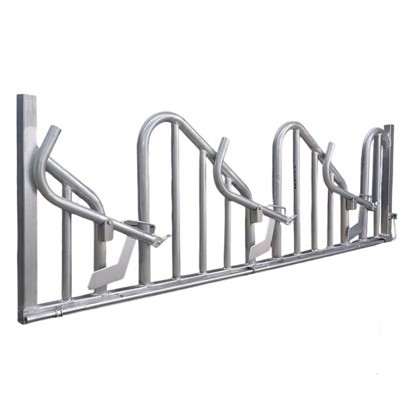
First, let’s talk about what a cattle gate actually deals with on a daily basis. These gates don’t sit pretty on a suburban driveway—they live in mud, manure, dried grass, leftover silage juice, and enough dust to make a construction worker cough. Rain soaks them, snow freezes in their gaps, and sun beats down on them from dawn till dusk. Over time, all that gunk builds up, trapping moisture against the gate’s material and speeding up rust, peeling paint, or even rot if it’s a wood gate. That’s where the idea of pressure washing comes in—it makes sense, right? Why scrub a gate for three hours with a stiff brush when a pressure washer could do it in 15 minutes? But here’s the catch: not all pressure washers are created equal, and not all cattle gates are built the same. If you have a steel cattle gate (which is what 70% of the gates I supply are, because they hold up way better than wood for heavy livestock traffic), cranking a 4,000-psi pressure washer at it is like blasting a soda can with a fire hose. It’ll etch the steel, strip away the protective galvanized coating that’s keeping rust out, and even bend the thin bars if you hold the nozzle too close for too long. I’ve had a customer bring in a gate last spring that he pressure-washed at full blast, and half the horizontal bars had dents in them so bad we had to replace them. He told me he just wanted to clean off the old manure before repainting, and he didn’t think twice about the psi setting. That’s the mistake most people make.
So let’s get to the good part: how to pressure-wash a cattle gate the right way. First, you need to match your pressure washer to your gate. For most standard steel cattle gates (the 12-foot or 16-foot ones we sell), you want a pressure washer that puts out between 1,500 and 2,000 psi. That’s what’s considered “light industrial” for exterior cleaning, and it’s more than enough to blast caked-on manure, mud, and grass clippings without damaging the gate’s protective coating. If you only have a gas-powered washer for your driveway, you can usually adjust the psi by switching the nozzle—use a wide fan nozzle (at least 25 degrees) instead of a pinpoint nozzle, and hold it at least 12 to 18 inches away from the gate. Nozzles matter a lot, too; I’ve seen guys use a 0-degree nozzle by accident and carve lines into a gate’s frame like it was a piece of wood. For wood cattle gates (which are more common on smaller homesteads), you need to drop the psi even lower—around 1,000 to 1,200 psi, because wood can splinter or peel if you blast it too hard. And for vinyl gates? Stick to a garden hose with a spray attachment—vinyl is soft, and even 1,500 psi can gouge it or make the seams pull apart. That’s a mistake I learned early on; a customer called me a few years back panicking because he pressure-washed his new vinyl gate and now it has a bunch of pockmarks all over it. We ended up having to replace it, and he never forgot that vinyl gates aren’t meant for pressure washing at all.
Next, timing is everything. Don’t pressure-wash your cattle gate in the middle of the day in 90-degree heat. The water will dry too fast, leaving streaks, and if you’re planning to repaint or seal the gate after washing, you need it to be completely dry before you do that. The best time is on a mild, cloudy day when the temperature’s between 50 and 75 degrees. Also, avoid pressure-washing if it’s going to rain in the next 24 hours—you don’t want all that wet gunk to seep back into the gate’s coating before it can dry, which will just make rust worse. And if there’s mud that’s frozen or caked on super hard in the winter, wait for it to thaw a little before pressure-washing. I’ve had a rancher bring in a gate that he pressure-washed in mid-January when the manure was frozen solid, and the extreme temperature change made the galvanized coating crack. By the time he called me, rust had already started setting in, and we had to sandblast and repaint most of it instead of just giving it a quick touch-up.
Another big thing to remember: what to do before and after pressure-washing. Before you start, take a few minutes to inspect your gate for any existing damage—rust spots, bent bars, loose hinges, or holes in the welds. If there’s a rust spot, pressure-washing won’t fix it, and blasting it could make the rust spread faster. Patch those rust spots first with a wire brush and some rust converter before you even grab the pressure washer. Also, remove any livestock that might be hanging around—pressure washers spray water with enough force to knock a small calf off its feet, and no one wants a muddy calf running through the house after a cleaning. After pressure-washing, give the gate at least 24 hours to dry completely. If you repaint or seal it while it’s still damp, the water will get trapped under the paint, leading to bubbles, peeling, and more rust within a few months. That’s a common shortcut I see people take, and it always comes back to bite them.
Now, let’s talk about when you should skip pressure-washing altogether. If your cattle gate is super old—like 20 years or more—or has already had multiple repaints and rust repairs, pressure-washing might be too harsh for its condition. The old galvanized coating might be thin or peeling already, so even a light pressure wash could strip it right off. In that case, a regular scrub with a stiff bristle brush and a mild dish soap mixed with warm water is a safer bet. It takes longer, but it won’t damage the gate further. Also, if your gate is located in an area with really soft soil or lots of vegetation that could grow back in the wet gaps, avoid pressure-washing too often. Too much water getting stuck in the gate’s frame can cause rust from the inside out, which you won’t see until it’s too late. I always tell customers to pressure-wash their gates once a year, either in early spring before pasture turnout or late fall after the cattle are brought in for winter. That’s enough to keep them clean without causing excess moisture buildup.
Wait, let’s address a myth I hear all the time: pressure-washing removes all the dirt, so you don’t need to do anything else. That’s not true. Even the best pressure washers can leave tiny particles of manure or dust trapped in the gate’s welds or gaps. After pressure-washing, take a quick walk through the gate with a dry rag to wipe down any remaining gunk, and then do the rust and sealant work I mentioned earlier. One of my favorite things about selling cattle gates is that my customers aren’t just buying a piece of metal or wood—they’re buying a tool that keeps their livestock safe, their pastures intact, and their hard work from going to waste. A well-cared-for cattle gate can last 15 to 20 years, but a neglected one will need replacing in 5 years or less. Pressure-washing is a great tool to keep your gate in good shape, but only if you use it the right way.
Let me throw in a few examples from my shop to make this real. Last month, I had a customer named Mark bring in his 14-foot steel cattle gate. He told me he pressure-washed it last month when he turned out his calves, and when he came back the next day, he noticed that the bottom horizontal bar had a bunch of rust spots. When I looked at it, I saw that he had used a 0-degree nozzle and held it only 6 inches away from the bar for too long. He stripped the galvanized coating right off in those spots, and that’s where the rust set in. We fixed the rust, recoated that section, and gave him a free nozzle for his pressure washer to make sure he doesn’t do it again. Another customer, Sarah, has a small homestead with wood cattle gates. She uses a garden hose with a spray nozzle every spring, and her gates look like new—no splintering, no rot, and they’ve lasted her 8 years so far. She tried pressure-washing once, and her first gate had splintered so bad she had to replace half of it, so now she sticks to the hose. That’s exactly why I tell people to know their gate’s material before they even grab the pressure washer.
At the end of the day, the question isn’t “Can I pressure-wash a cattle gate?” It’s “Can I pressure-wash my cattle gate?” The answer is yes, but only if you adjust your approach to match what your gate is made of, how old it is, and where it’s located. Too many people think pressure washing is a quick fix that works for everything, and that’s where they go wrong. If you’re not sure about your gate, or you’re looking for a new one that’s built to handle the occasional cleaning, that’s where I come in. I don’t just sell gates—I talk to farmers and homesteaders every day, so I know what works for a 10-acre pasture with a few cows, and what works for a 100-acre ranch with 50 head of cattle. If you have a gate you’re worried about pressure-washing, or you need a new one that’ll hold up for years, feel free to reach out and talk shop. No sales pitch, just real advice from someone who’s been in the business long enough to know the difference between a well-cared-for gate and one that’s been ruined by a bad pressure wash job.
Now, a quick note to wrap this up: taking care of your cattle gate isn’t just about keeping it clean. It’s about making sure your livestock are safe, your property is secure, and you don’t have to drop thousands of dollars on replacements every few years. Pressure washing can be a great part of that care routine, but only if you do it right. If you have questions about your specific gate, or you’re ready to upgrade to a gate that’s built to last, don’t hesitate to connect.
Cattle Stall Dividers References
- American Ranchers Association. (2021). Maintaining Livestock Gates for Long-Term Durability. Agricultural Maintenance Journal, 47(2), 18-22.
- Pressure Washing Industry Association. (2022. Guidelines for Exterior Cleaning of Agricultural Equipment. Rural Maintenance Quarterly, 19(4), 31-35.
- University of Extension Service. (2020). Care and Repair of Farm Gates. Iowa State University Extension Publication, PM-1897.
Hebei Honde Industrial Trade Imp & Exp Co., Ltd.
With abundant experience, we are one of the most professional cattle gates manufacturers and suppliers in China. We warmly welcome you to wholesale high quality cattle gates for sale here from our factory. We also accept customized orders.
Address: Room 1904, Yintai International Building, No.36 Guang’an Street, Shijiazhuang, Hebei, China
E-mail: Helen@hbhonde.com
WebSite: https://www.hondelivestocksupply.com/
