If you’ve ever picked up a sack of animal feed, a pallet of construction aggregate, or a shipment of industrial parts, chances are you’ve held a colorful PP woven bag. These durable, lightweight packaging solutions are a staple in global supply chains, and as a supplier of them, I get asked a lot: “Are there strict domestic regulations governing colorful PP woven bags?” The short answer is yes—and not just to keep customers safe, but to ensure the bags perform as intended, don’t harm the environment, and don’t cut corners on quality. Let me break down what those regulations look like, how they impact my work, and what you should know before placing an order. Colorful PP Woven Bags
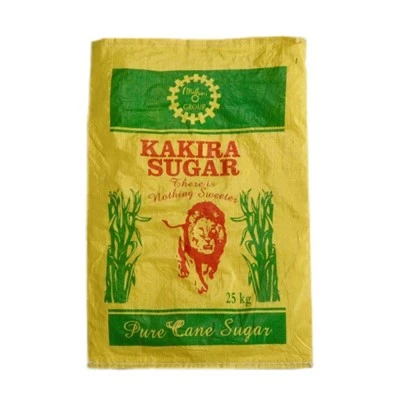
First, let’s start with the basics: what makes a PP woven bag “colorful”? PP (polypropylene) resin is naturally translucent or white, so to add hues, we use color masterbatches—concentrated pigments mixed with a carrier resin that disperse evenly into the PP during extrusion. That process is the first place regulations kick in, because not all pigments are created equal. For domestic use in most major markets, regulators like the U.S. Consumer Product Safety Commission (CPSC) and the European Food Safety Authority (EFSA) set strict limits on heavy metals in pigments. Lead, cadmium, mercury, and hexavalent chromium, for example, are banned or capped at trace levels (often under 100 parts per million) because they can leach into food, feed, or even soil if the bag is discarded improperly.
I learned this the hard way early in my career. A few years back, I sourced a batch of yellow masterbatch from a new supplier that was 20% cheaper than my usual go-to. We used it to make bags for a local produce distributor, only to have the lab results come back showing lead levels 120 ppm over the legal limit. The distributor pulled every bag from their inventory, and we had to scrap the entire run of 50,000 bags. That mistake cost us thousands in materials and lost trust—and it taught me why these regulations aren’t just red tape: they protect everyone along the supply chain, from manufacturers to end users.
Beyond pigment safety, regulations also cover the physical performance of colorful PP woven bags. A bag that’s bright red or blue is useless if it tears when you’re loading 50 pounds of fertilizer, or if the color fades after a few weeks in direct sunlight. Domestic standards here vary by use case, but most fall into two categories: industrial packaging and consumer packaging. For industrial bags (used for cement, chemicals, feed), the U.S. Department of Agriculture (USDA) and the Occupational Safety and Health Administration (OSHA) have guidelines that require bags to meet specific tensile strength, elongation, and puncture resistance. That means if you’re a farmer ordering bags for corn or soy, the bag has to hold up during transport, whether it’s bounced around on a truck or stacked in a grain silo for months. For colorful PP woven bags used for consumer goods—like pet food, snacks, or retail products—the CPSC also requires that bags have child-resistant features if they contain hazardous materials, or warnings if they pose a suffocation risk for young kids.
Color retention is another big factor. If a bag is printed with a company’s brand logo, that color has to stay intact for the life of the bag, right? Most domestic regulations test for UV stability, especially for bags used outdoors. For example, in California, the Department of Resources Recycling and Recovery (CalRecycle) has requirements that bags used for outdoor storage must resist fading after 500 hours of exposure to simulated sunlight. That’s not just about brand image: a bag that fades can signal to customers that the product inside is low-quality, and if it’s a storage bag for lawn care chemicals, faded colors can make it hard to identify what’s inside. For us as suppliers, that means we use UV stabilizers in our masterbatches and test every color run in our in-house lab to make sure it meets those standards.
Environmental regulations are probably the most rapidly changing part of domestic rules for colorful PP woven bags. For years, PP woven bags were considered “single-use” plastic, but more and more states are adding bans on single-use plastics or requiring recycled content. Right now, in places like New York and Oregon, regulations require that certain types of plastic packaging (including PP woven bags) contain at least 30% post-consumer recycled (PCR) plastic by 2025. Some cities, like Seattle, have also banned thin plastic bags, which has pushed many industrial suppliers to switch to thicker, colorful PP woven bags as a more sustainable alternative. But there’s a catch: PCR plastic can have inconsistencies in color and quality, so we’ve had to adjust our production processes to mix PCR resin with virgin PP evenly, while still keeping the colors bright and meeting strength standards.
Wait, what about printing? Most colorful PP woven bags have custom designs, logos, or product info printed on them, right? That printing has its own set of regulations. For food-grade bags, the printing ink has to be FDA-approved for food contact, meaning it can’t transfer onto the product inside. A few years ago, we had a client that wanted to print a neon green logo on bags for organic bird seed. We had to switch from a standard solvent-based ink to a water-based, FDA-approved ink to make sure no chemicals leached into the seed. That’s another regulation that often gets overlooked, but it’s critical for food and feed packaging.
Now, let’s talk about how these regulations are enforced, because it’s not just the supplier who has to comply. In the U.S., the CPSC does random testing of imported and domestic packaging products, and if a bag fails, they can issue fines, order recalls, or even take legal action. Last year, a small supplier in Texas was fined $150,000 for selling colorful feed bags with cadmium levels over the legal limit—they’d cut corners on pigment to save money, and the feed distributor they supplied got complaints from customers about the metal levels. For us, compliance isn’t optional: it’s non-negotiable. We keep all our lab test records, source pigments only from FDA and CPSC-approved suppliers, and have third-party labs audit our production runs every quarter.
What if you’re a small business owner looking for colorful PP woven bags? How do you make sure the ones you’re ordering comply with domestic regulations? First, ask your supplier for test reports. Any reputable supplier should be able to provide documentation showing heavy metal levels, tensile strength, food contact safety, and UV stability. Second, know your use case: if you’re using the bags for food, make sure they’re labeled as food-safe. If they’re for outdoor use, ask about UV resistance. Third, avoid suppliers that offer prices that seem too good to be true. As I learned with that yellow masterbatch, cheaper pigments often mean higher metal levels, which lead to failed tests and big problems down the line.
There are also some emerging regulations that we’re already preparing for. The EU’s Circular Economy Action Plan has set targets for 100% of plastic packaging to be reusable or recyclable by 2030, and many U.S. states are following suit. That means in the next few years, colorful PP woven bags will need to be not just compliant, but also more easily recyclable. Right now, some of our colorful bags are difficult to recycle because the pigments and additives can contaminate the recycled PP stream, so we’re working with our resin suppliers to develop new masterbatches that are more recyclable, while still keeping the colors bright and stable.
I get a lot of questions from potential clients who say, “Can’t we just use cheaper, unregulated bags?” The answer is yes, but it’s a risk. For example, if you’re a construction company using colorful bags for concrete, a cheap unregulated bag might tear during transport, spilling concrete all over a job site and causing delays. If you’re a food distributor using unregulated bags, you could face a recall that costs you thousands of dollars in lost sales and damage to your brand. For small to medium businesses, compliance is just part of doing business—protecting your customers, your products, and your bottom line.
As a supplier of colorful PP woven bags, my goal isn’t just to sell a product—it’s to sell a product that’s safe, reliable, and compliant with all domestic regulations. I’ve built my business on transparency: I tell clients about the materials we use, the tests we run, and why those standards matter. Whether you’re a farmer, a food distributor, a construction company, or a retail brand, if you’re looking for colorful PP woven bags that meet all domestic regulations, let’s talk. We can customize colors, sizes, and printing to fit your needs, and we can provide all the necessary documentation to ensure you’re in compliance with local rules.

Don’t let the regulations feel like a barrier—they’re actually there to make sure you get a product that works for you, without the risks. If you’re ready to order high-quality, compliant colorful PP woven bags, reach out to us to discuss your project and get a quote. We’re here to help you find the right solution for your packaging needs.
References
Mini Stretch Film Consumer Product Safety Commission. (2022). Children’s Product Safety Standards for Plastic Packaging.
European Food Safety Authority. (2021). Safety Assessment of Pigments in Food Contact Materials.
U.S. Department of Agriculture. (2023). Guidelines for Agricultural Packaging Materials.
California Department of Resources Recycling and Recovery. (2022). Single-Use Plastic Reduction Requirements.
Linyi Dongyi Import&Export Co., Ltd.
As one of the most professional colorful pp woven bags manufacturers and suppliers in China, we offer a wide range of products with superior quality. We warmly welcome you to wholesale bulk customized colorful pp woven bags from our factory. If you have any enquiry about quotation, please feel free to email us.
Address: 4 F, Zone A, Zhangjia Zhuxu Village, Lanshan District, Linyi City.
E-mail: donglai01972@gmail.com
WebSite: https://www.donglaipack.com/
